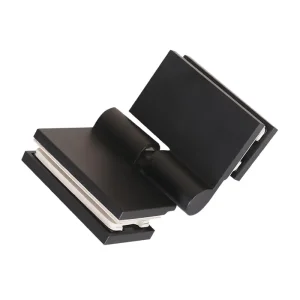
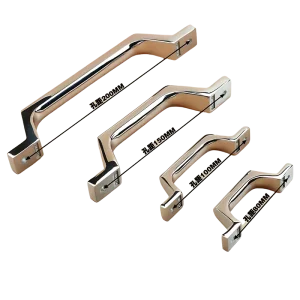
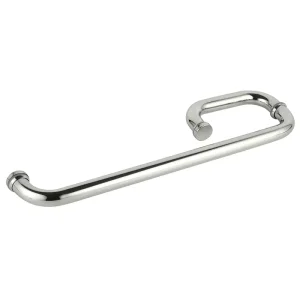
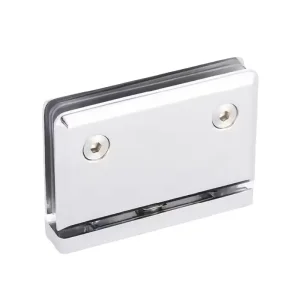
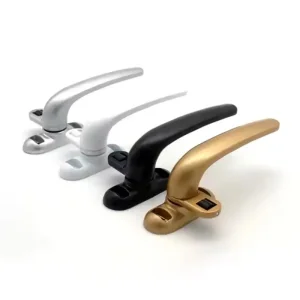
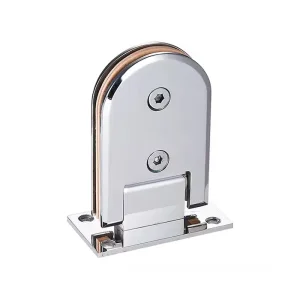
Explore our core engineering capabilities in architectural, bathroom, and custom furniture fittings.
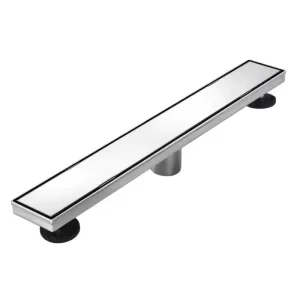
An in-depth analysis of material performance, global supply chain evolution, and manufacturing paradigms.
In modern industrial manufacturing and high-end architectural engineering, materials selection is governed by a balance of structural mechanical requirements, production scalability, and finishing potential. Zinc alloys (commonly categorized as Zamak/zinc-aluminum alloys) have emerged as the premier choice for intricate component design. Compared to brass, stainless steel, and aluminum, zinc alloys display a remarkably low melting point (approx. 380°C - 390°C) coupled with exceptional fluid dynamics during injection, allowing for high-speed die-casting processes.
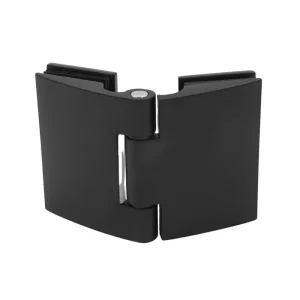
Zamak 3 (comprising 4% Aluminum and trace amounts of Magnesium and Copper) remains the global standard for complex thin-wall structures, offering superior dimensional stability and impact strength. Zamak 5 introduces a higher copper content (approx. 1%), enhancing tensile strength and hardness, making it ideal for heavy-duty load-bearing mechanisms such as shower hinges, door locks, and architectural brackets. By utilizing these alloys, suppliers can deliver complex net-shape components that require minimal secondary machining, significantly reducing material waste and energy consumption.
International procurement offices (IPOs) representing high-volume sanitaryware brands, automotive components, and security lock manufacturers face mounting pressure to reduce lead times while enforcing stringent chemical, physical, and environmental standards. The primary challenge in zinc die casting is avoiding internal porosity and surface blistering, which degrade mechanical properties and cause catastrophic coating failures in humid environments like bathrooms and kitchens.
To mitigate these risks, advanced factories implement real-time Mold-Flow analysis prior to tooling fabrication. By optimizing gate locations, runner systems, and overflow wells, we ensure laminar flow during die injection. Furthermore, the rising demand for lead-free and eco-compliant materials requires rigorous control over incoming alloy ingots. Our facility runs spectral analysis on every raw batch, verifying that lead, cadmium, and tin levels are maintained well below global limits (such as RoHS and REACH directives).
| Material Designation | Tensile Strength (MPa) | Elongation (%) | Die-Casting Complexity | Surface Finishing Versatility | Primary Application Areas |
|---|---|---|---|---|---|
| Zamak 3 (ZnAl4) | 283 | 10% | Excellent (Thin walls <0.8mm) | High (Plating, PVD, Powder Coat) | Bathroom fittings, handles, covers |
| Zamak 5 (ZnAl4Cu1) | 331 | 7% | Very Good | High | Heavy-duty hinges, brackets, gears |
| Aluminum (ADC12) | 310 | 3.5% | Good | Moderate (Anodizing, Coating) | Structural brackets, heat sinks |
| Brass (HPb59-1) | 340 | 15% | Fair (High energy cost) | High (Electroplating, PVD) | Valves, upscale luxury trim parts |
A Legacy of Engineering Excellence, Quality Control, and Global Brand Trust
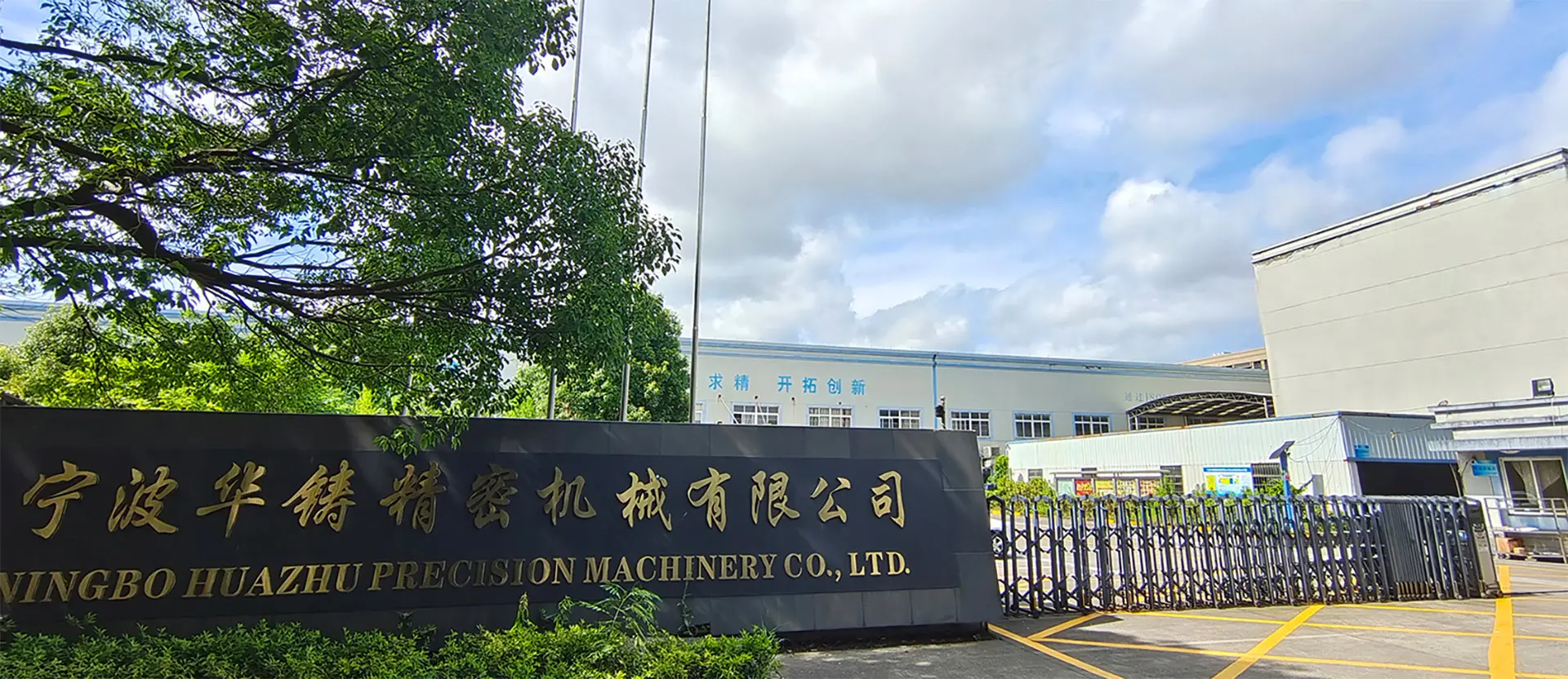
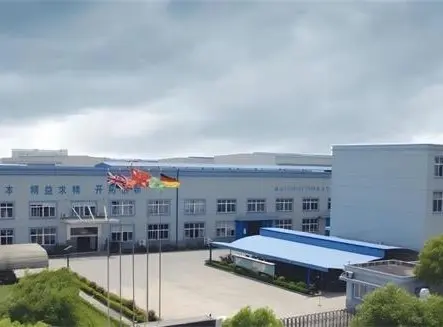
Established in 2007 (formerly known as Tiezhu Hardware Factory) and rebranded in 2015, Ningbo Huazhu Precision Machinery Co., Ltd. has grown into a comprehensive manufacturing leader. Operating from a state-of-the-art 20,000 square meter facility with over 200 dedicated professionals, we manage the entire industrial chain in-house: from initial mold design and tool fabrication to die casting, machining, manual and robotic polishing, electroplating, PVD, assembly, and rigorous quality assurance testing.
Our philosophy is rooted in creating sustainable, long-term value for our global partners. By obtaining the ISO 9001 and IATF 16949 quality certifications, we have successfully qualified as an OEM/ODM supplier to some of the world's most prestigious sanitaryware and architectural brands, including Germany's Dornbracht, Japan's TOTO, Italy's INDA, and Spain's ROCA.
Integrating advanced technology to guarantee dimensional accuracy and flawless finish quality.
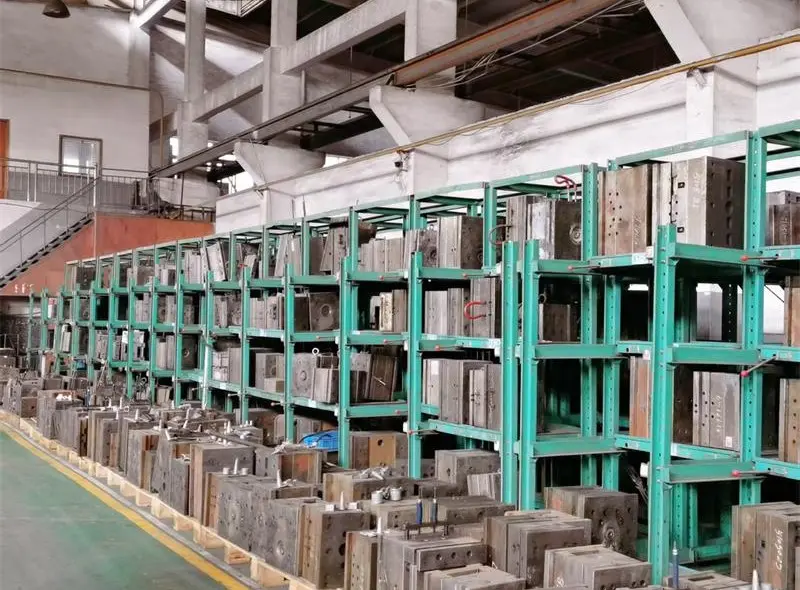
Equipped with high-precision CNC centers, EDM machines, and wire-cutting machinery, our toolmakers develop dies with tolerances within 0.02mm. Typical custom tool development requires only 28 to 35 days.
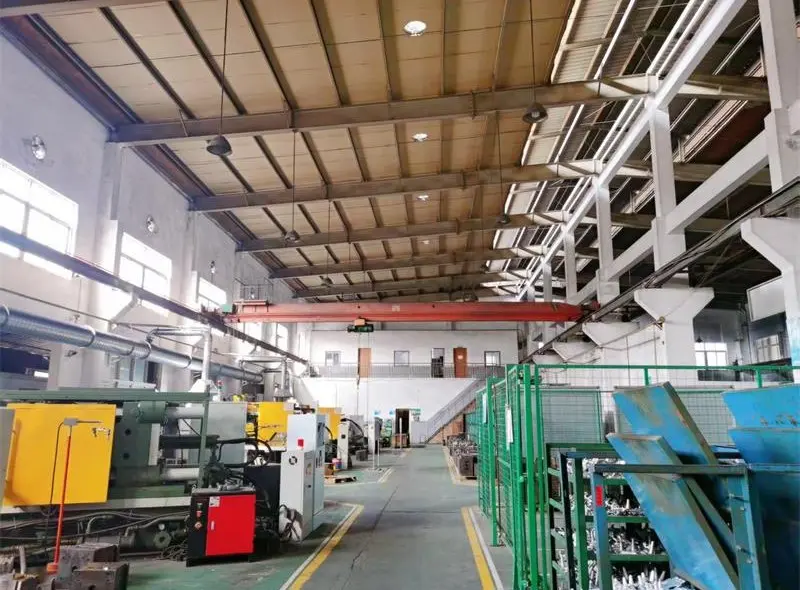
We operate both hot-chamber and cold-chamber die-casting machines. Our automated cell integration ensures uniform thermal profiles during injection, minimizing porosity and improving surface density.
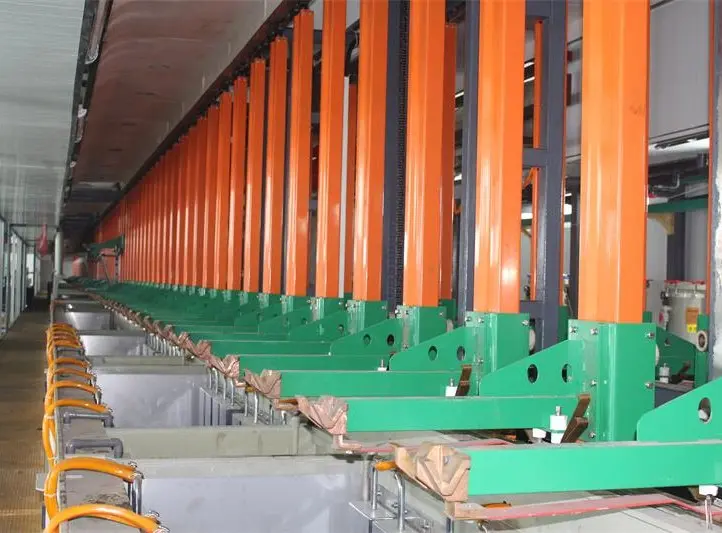
Our advanced surface treatment line handles copper, nickel, and chrome plating, along with PVD. We deliver finishes engineered to withstand up to 480 hours of Neutral Salt Spray testing (NSS).
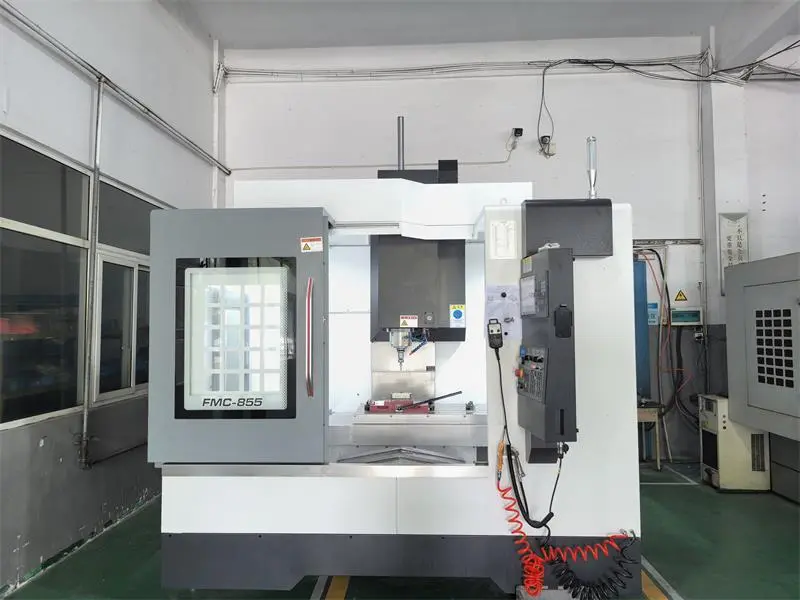
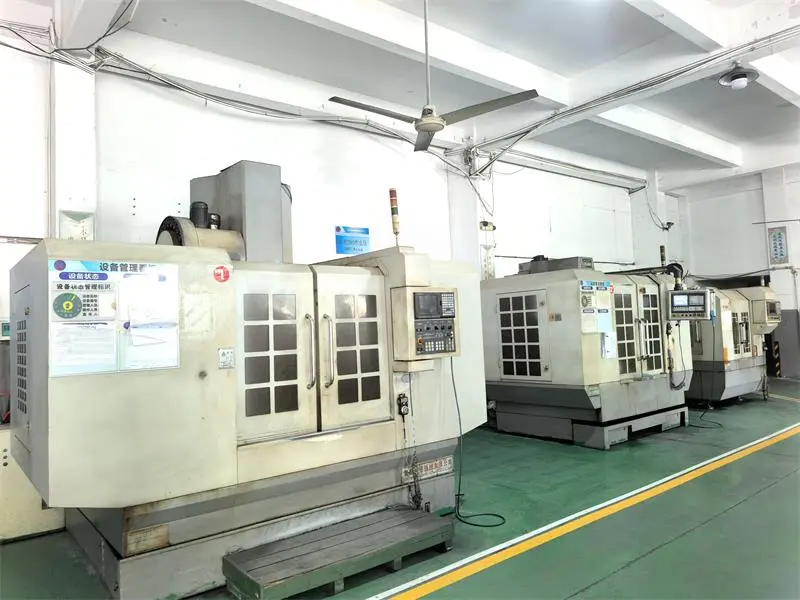
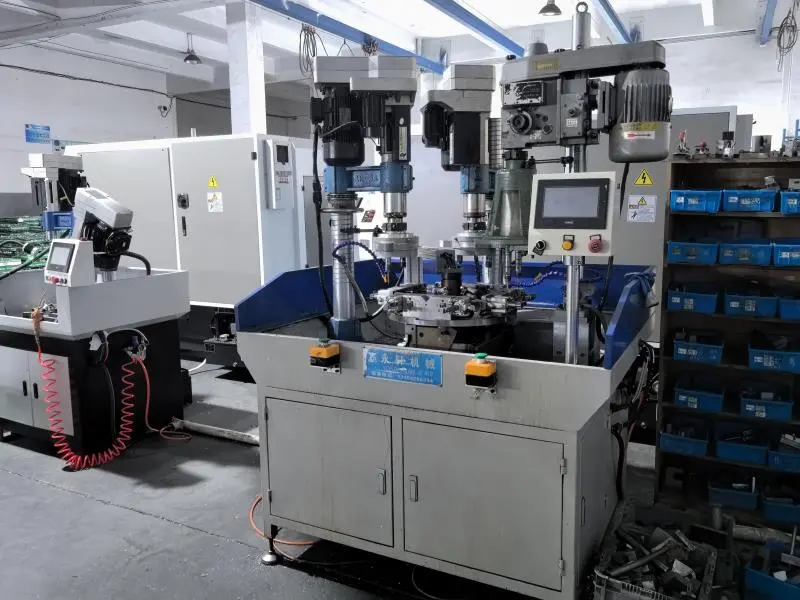
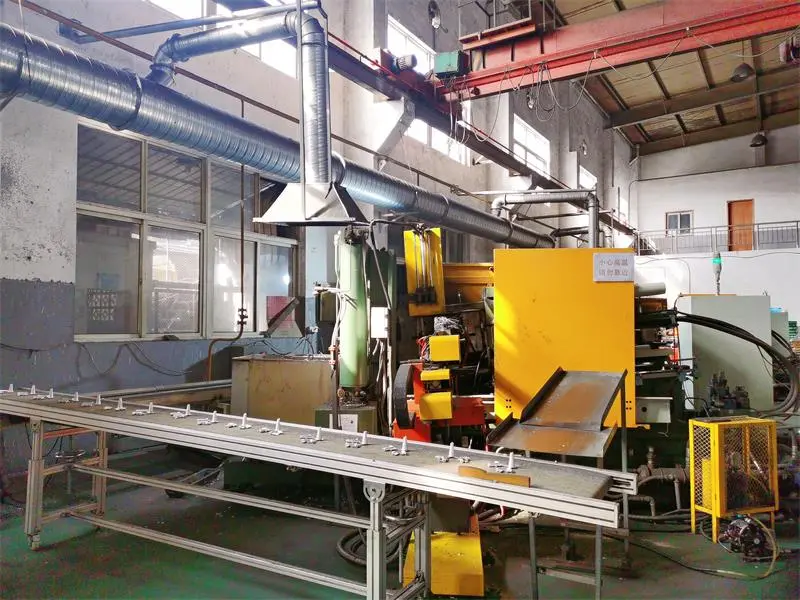
Our comprehensive production process ensures total control over timeline, cost, and quality standards.
Collaborative engineering, CAD/CAM optimization, mold flow simulations, and rapid tooling creation.
High-pressure hot-chamber casting ensures precise shapes and consistent core densities.
Manual craftsmanship combined with automated buffing lines prepares surfaces for plating.
Multi-layer copper-nickel-chrome coatings and physical vapor deposition protect against corrosion.
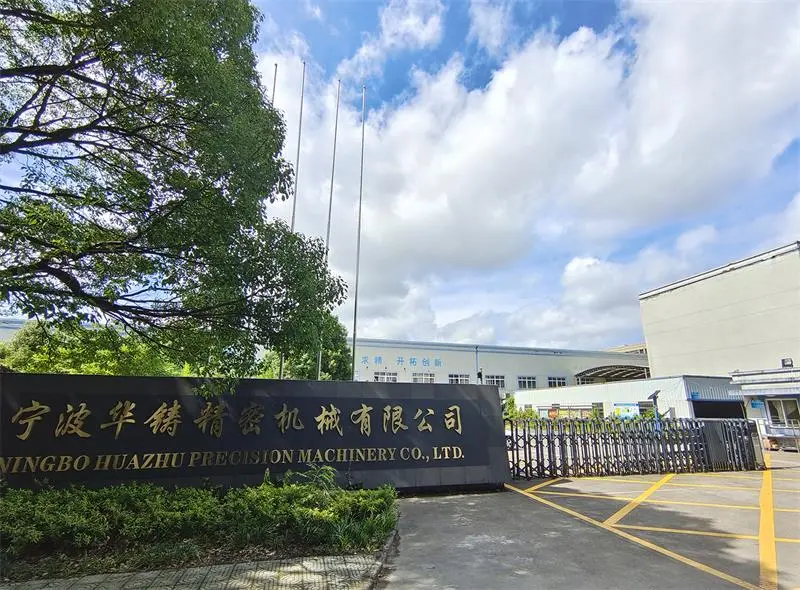
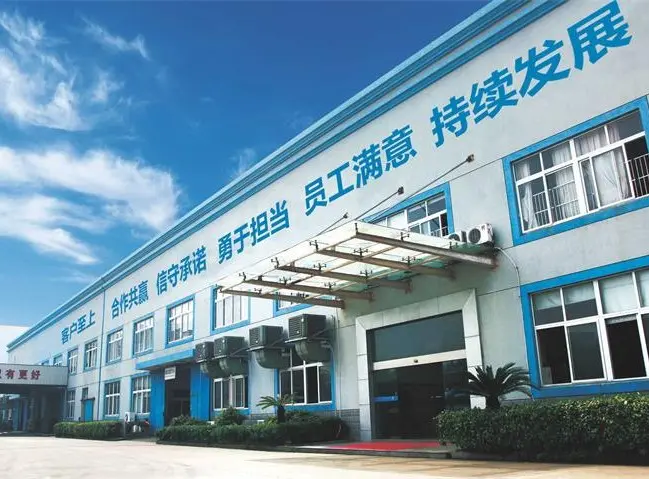
Aligning manufacturing practices with global quality, sustainability, and automated process innovations.
Quality assurance is embedded in every stage of our operations. In addition to ISO 9001, we maintain compliance with the IATF 16949 system standard, bringing automotive-grade process control and risk assessment methodologies to our architectural and sanitaryware hardware lines. This involves implementing systematic FMEA (Failure Mode and Effects Analysis), PPAP (Production Part Approval Process) packages, and Statistical Process Control (SPC) charting on critical dimensions.
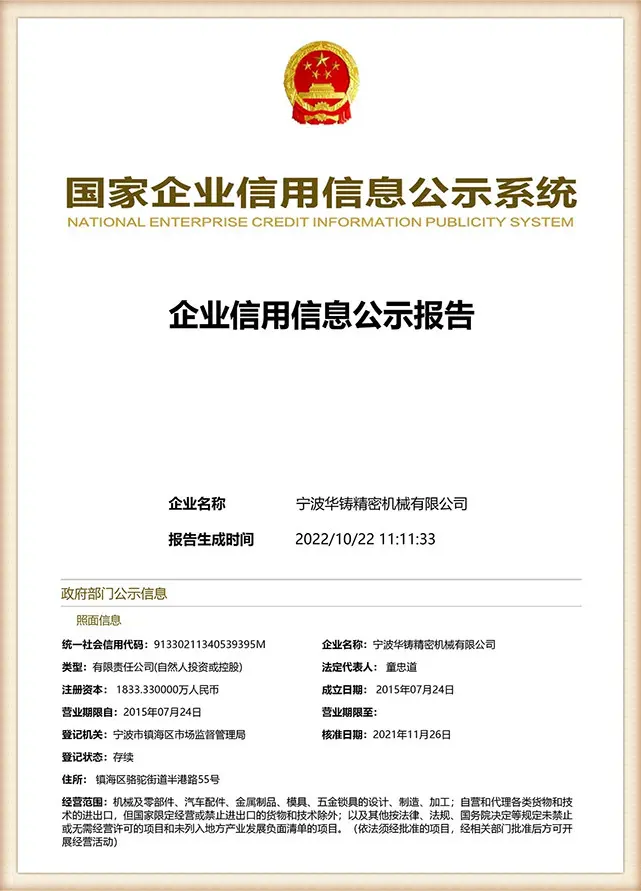
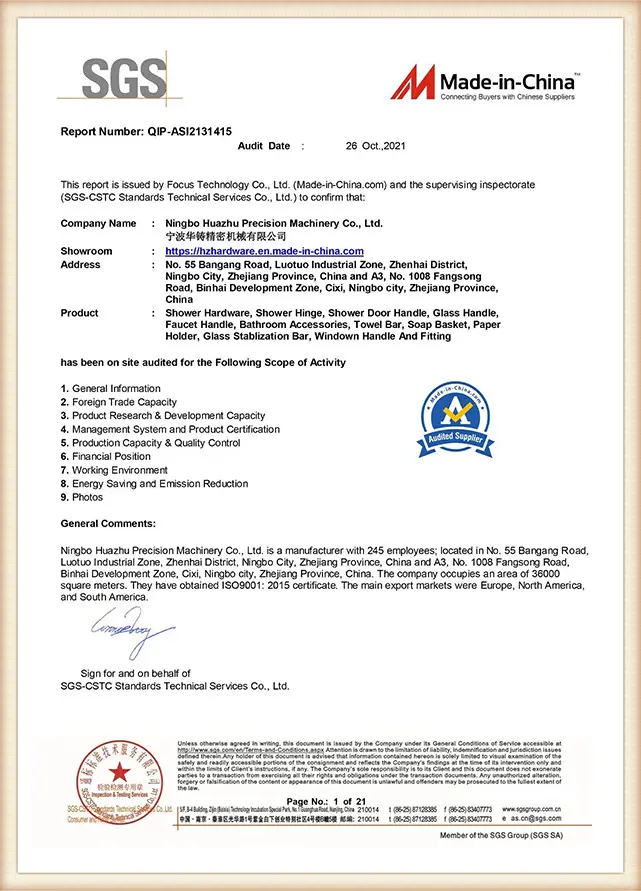
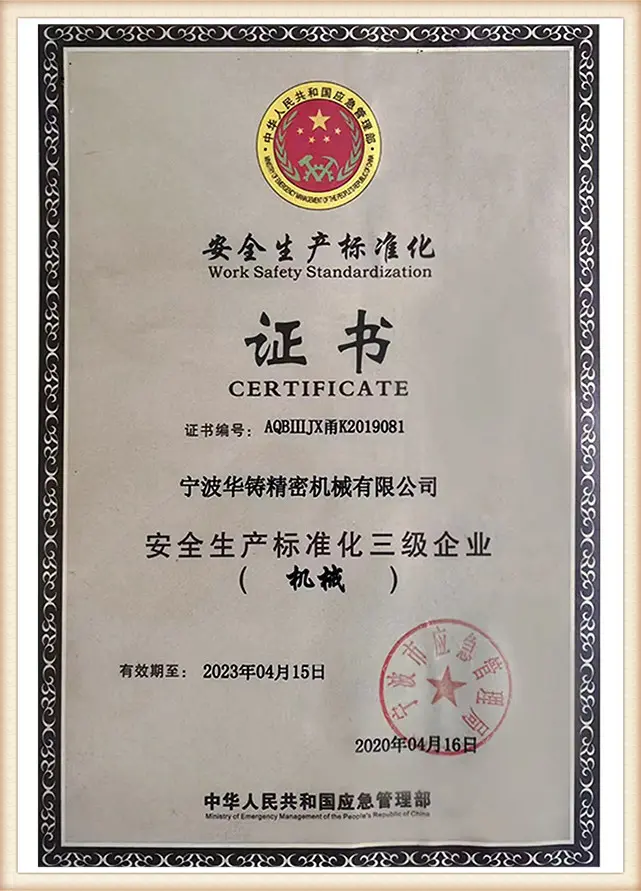
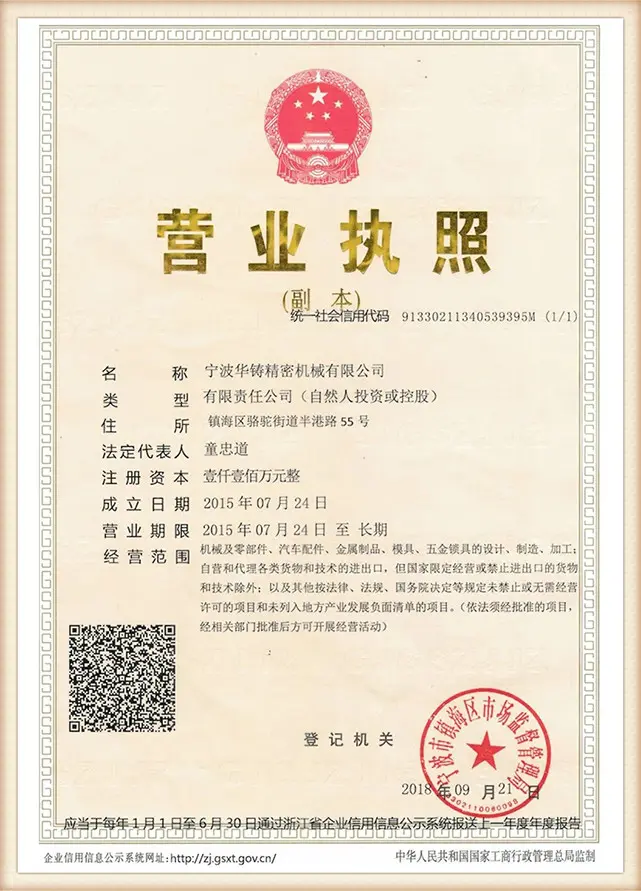
To stay ahead of global industry trends, we have established a technological development plan focused on two main pillars: green manufacturing and automation. Over the next three years, we are expanding our robotics integration across polishing and machining lines to ensure high consistency and protect employee safety. Additionally, we are investing in advanced plating water recycling systems and exploring eco-friendly alloy variations that minimize resource footprint while maintaining mechanical performance.
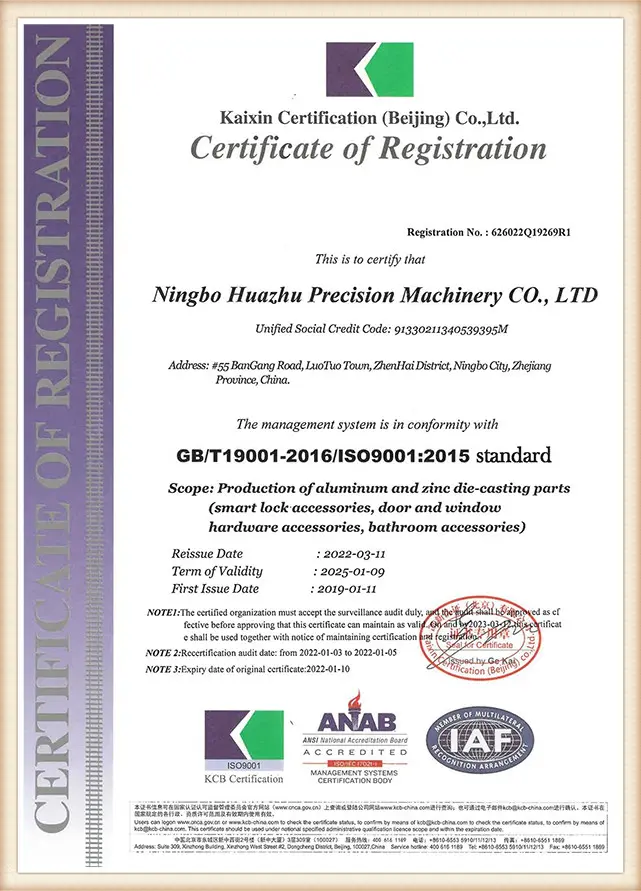
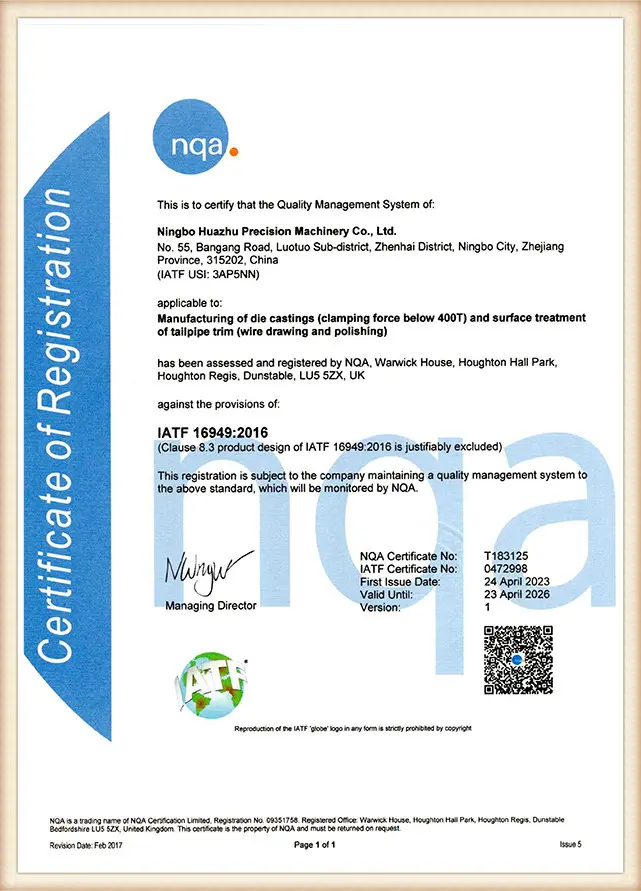
We provide OEM and ODM manufacturing services to leading global brands across Europe, Asia, and North America.






Common questions from global engineering and procurement professionals.
From heavy-duty shower enclosures to customized decorative hardware components.
Partner with a vertically integrated manufacturer. Send your specifications, design drafts, or material requirements to our engineering team, and receive a response within 24 hours.
 Huazhu