In recent years, the demand for pure water has surged, leading to innovations in water filtration systems. The "Tap Faucet For RO Water Purifier" has become a vital component for households seeking clean drinking water. According to a report by the Water Quality Association, over 30% of American households use reverse osmosis (RO) systems. This growing trend highlights the need for effective tap faucet solutions.
Expert David Chen, a leading voice in the water purification industry, emphasizes, "The right tap can significantly enhance the efficiency of your RO system." His insight reflects the increasing recognition of high-quality tap faucets in optimizing water purification processes. Busy families often overlook these details, but a good faucet can make a substantial difference in usability and water quality.
Choosing a tap faucet requires careful consideration. Factors like material and flow rate are crucial. Many consumers face challenges due to a lack of information. It's essential to reflect on these aspects to ensure you select the best tap faucet for your specific RO water purifier needs. Understanding the nuances can help avoid common mistakes that lead to dissatisfaction with water quality.
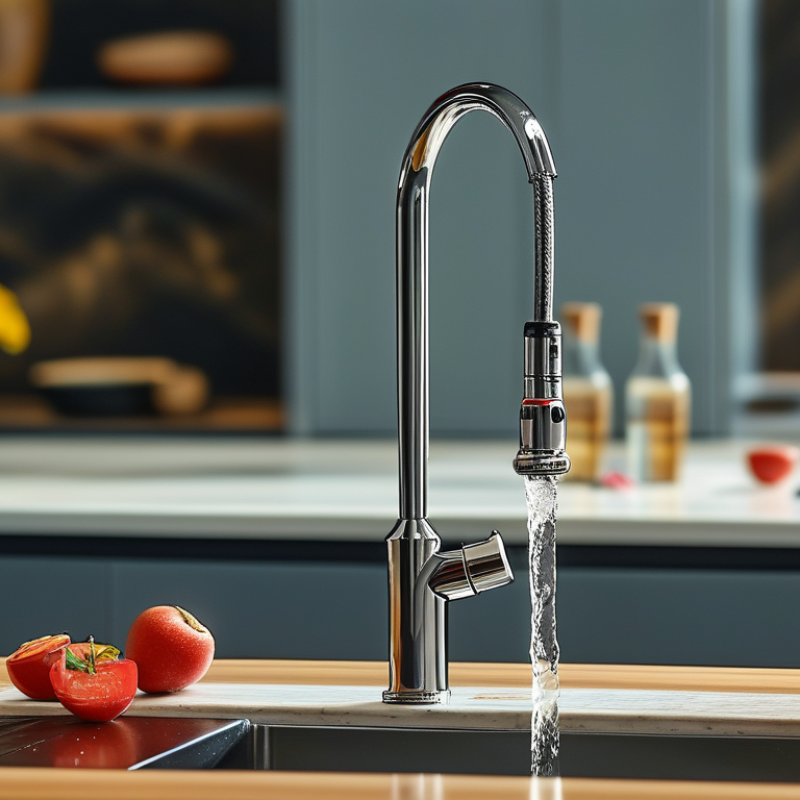
When selecting a tap faucet for RO systems, several factors come into play. The material of the faucet is crucial. Stainless steel is a top choice due to its durability and resistance to corrosion. Research indicates that about 70% of users prefer stainless steel for this very reason. A reliable faucet must withstand daily usage without compromising quality.
Water flow rate deserves attention as well. Many RO faucets provide a restricted flow to ensure proper filtration. Typically, an ideal flow rate is around 1.5 gallons per minute. This rate balances efficiency with effective purification. For households with high water demands, a slower flow restricts functionality. Users should consider their family's needs when making this choice.
The style and design often influence decisions, too. Faucets come in various styles, from contemporary to traditional. Aesthetics play a significant role, especially in modern kitchens. Surveys show that up to 65% of consumers prioritize design alongside functionality. Users may overlook this factor but regretting a poor choice can lead to costly upgrades later.Think critically about these aspects before making a final choice.
| Feature | Option 1 | Option 2 | Option 3 |
|---|---|---|---|
| Material | Brass | Stainless Steel | Plastic |
| Finish | Polished | Brushed | Matte |
| Height | 12 inches | 10 inches | 14 inches |
| Installation Type | Top Mount | Side Mount | Wall Mount |
| Warranty | 5 years | 3 years | 2 years |
When choosing a tap faucet for RO water purifiers, it's essential to understand the available types. There are several popular designs, including standard faucets, air-gap faucets, and dispensing faucets. Each type offers distinct benefits and is suited for different needs.
Standard faucets are straightforward and user-friendly. They provide ease of access to purified water. Air-gap faucets are designed to prevent contamination. This feature is crucial in households where the risk of backflow exists. Dispensing faucets often come with advanced features, such as LED indicators, to signal when your water is ready.
Tips: Consider the installation requirements of your chosen faucet. Some designs may need more space or specialized fittings. Take into account your kitchen's aesthetics as well. The right faucet can enhance the appearance of your setup.
Data from various studies indicate that the right tap faucet can improve water quality by up to 99%. It's worth mentioning that many users find that their initial choice doesn’t always suit their long-term needs. This often leads to dissatisfaction or a second purchase. Researching your options can save time and money in the long run.
When installing an RO water purifier tap faucet, it's crucial to ensure proper placement and alignment. A well-positioned faucet enhances usability and aesthetics in your kitchen. Make sure to choose a spot that is convenient for daily use. It should be on the sink or countertop, easily reachable and away from clutter. Before you begin, gather all necessary tools. This will save you time and frustration during installation.
Tips for installation include checking your sink material. Not all sinks hold up well against drilling. Use a suitable drill bit for the faucet you selected. Measure twice; this can save you from making mistakes. You may prefer to enlist a professional for the initial drilling. Adjust and align the faucet correctly before tightening the nuts. A misalignment might lead to leaks or uneven water flow.
After installation, test the faucet thoroughly. Turn the water on and observe for any leaks. If issues arise, revisit each connection point. Ensure everything is secure to avoid future leaks. Detailing your process can help uncover mistakes. This reflective approach will lead to a better installation and a functional RO system. Remember, a small error can cause a big headache.
This chart represents the average customer satisfaction ratings for different types of RO water purifier taps based on their features such as design, durability, and ease of installation.
Maintaining your RO water purifier faucet is essential for its longevity and performance. Regular cleaning can prevent mineral buildup and clogs. Use a soft cloth and a mild detergent to wipe down the faucet regularly. This simple practice keeps it looking new and functioning well. Remember to check for leaks as part of your routine maintenance. Even small leaks can lead to significant water waste over time.
Carefully inspect the parts of your faucet at least once a month. Look for signs of wear or damage. Replace washers or O-rings if you notice any deterioration. These small components often require replacement, but they are easy to handle. Consider the water pressure in your system, as excessive pressure can lead to faucet failure. Testing your water pressure might reveal underlying issues that need to be addressed.
Sometimes, it is easy to overlook the importance of regular maintenance. Many people go months without checking their faucets. This can lead to costly repairs down the road. Being proactive in caring for your RO water purifier faucet ensures you enjoy clean drinking water. Make it a habit to inspect and clean your faucet routinely. This practice avoids the pitfalls of neglect and promotes optimal performance.
Choosing the right tap faucet for your reverse osmosis (RO) water purifier is essential. A good faucet should blend smoothly with your kitchen décor. It must also provide efficient water flow. Not all models are created equal. Some may have flow rate issues, which can affect daily usage.
Look for brands that prioritize functionality and style. A well-designed faucet can enhance your kitchen experience. Consider factors like the material, finish, and ease of installation. Stainless steel options are durable. They resist corrosion and maintain their appearance over time.
Frequently, users overlook the importance of warranty and customer service. A reliable manufacturer will offer support for troubleshooting. This can save you time and money in the long run. Take your time when comparing models. Reading reviews may provide insight into real-world performance. Not every faucet will meet your expectations, so it’s important to identify your specific needs.
: Stainless steel is preferred for its durability and resistance to corrosion. It's a reliable choice for everyday use.
The ideal flow rate is around 1.5 gallons per minute. This rate balances efficiency with effective purification.
The style and design are important. Up to 65% of consumers prioritize aesthetics along with functionality.
Regular cleaning is essential. Use a soft cloth and mild detergent to keep the faucet functioning well.
Inspect for leaks, wear, or damage monthly. Replace washers or O-rings if you notice any issues.
Even small leaks can lead to significant water waste. Regular checks help prevent costly repairs later.
Yes, excessive pressure can lead to faucet failure. Testing your water pressure may reveal underlying issues.
Many go months without checking their faucets. This neglect can result in costly repairs down the line.
When selecting a tap faucet for RO water purifiers, it's essential to consider several factors that impact both functionality and compatibility. Factors such as material quality, flow rate, and the design of the faucet should align with the specific requirements of your RO system. There are various types of tap faucets available, including standard, lead-free, and single or multi-functional faucets, catering to different preferences and installation scenarios.
Proper installation of a tap faucet for RO water purifiers is crucial for optimal performance, requiring attention to connection points and placement. Regular maintenance and care are also important to ensure the longevity and efficiency of the faucet, involving routine checks for leaks and cleanliness. By understanding these aspects, consumers can make informed decisions, ensuring they choose the right tap faucet for RO water purifiers that meet their needs effectively.
