Choosing the right shower handle can change a bathroom’s daily comfort, safety, and water use. It is a small decision with surprisingly visible consequences.
The U.S. Environmental Protection Agency’s WaterSense specification states that labeled showerheads use no more than 2.0 gallons per minute, compared with the federal standard of 2.5 gallons. That difference can reduce water consumption without sacrificing a steady spray. However, the handle still controls the user’s experience. A stiff lever, unclear temperature markings, or a slippery grip can make an efficient fixture frustrating.
Mary Ann Dickinson, founder of the Alliance for Water Efficiency, describes the principle clearly: “Water efficiency is the smart use of our limited water resources.” Her observation applies directly to every Faucet Handle Shower selection. The handle should support precise flow control, comfortable operation, and sensible water habits.
Look closely at the details. A single-lever handle is practical for quick temperature adjustment. Cross handles may suit traditional bathrooms, but they require more wrist movement. Textured metal can feel secure with wet hands. A ceramic cartridge usually offers smoother, longer-lasting control than inexpensive plastic components.
There is no perfect choice.
Room style matters. So does hand strength. A beautiful handle may still feel wrong after several hurried morning showers. This guide examines handle types, materials, valve compatibility, temperature control, installation concerns, and long-term maintenance. It also questions one common assumption: higher price does not always mean better usability.
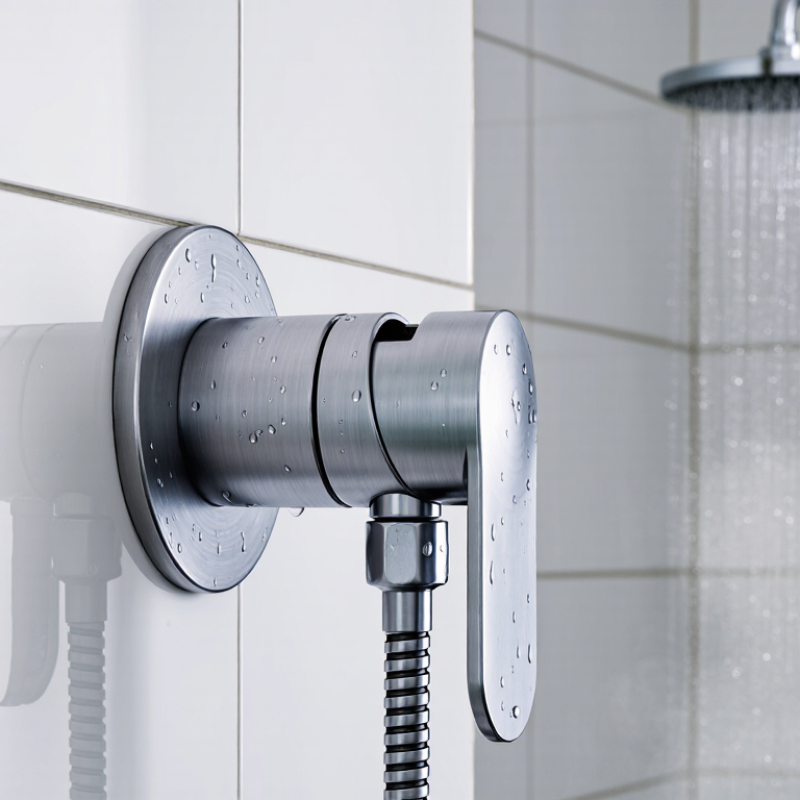
Choosing the right shower faucet handle starts behind the wall, not at the showroom display.
The critical question is simple: which valve controls your water? A pressure-balancing valve usually uses one handle for temperature and flow. A thermostatic valve may separate temperature control from volume control. Older systems can have two handles, or three handles with a diverter. These layouts are not interchangeable.
A common service mistake is buying a handle that fits the trim but not the cartridge.
Shut off the supply, remove the handle, and photograph the valve area before ordering.
Record the screw position, spline count, stem length, escutcheon diameter, and mounting depth.
Look for a cartridge code or service-stop arrangement, but do not trust appearance alone. Internal dimensions decide compatibility.
If the valve remains hidden, a qualified plumber can identify it through the trim opening and cartridge profile. Even careful measurements can be wrong.
Water efficiency also deserves attention. The U.S. EPA reports that showers represent nearly 17% of residential indoor water use. That exceeds 1.2 trillion gallons annually (EPA, How We Use Water).
The EPA WaterSense showerhead specification sets 2.0 gallons per minute at 80 psi for labeled products.
A compatible handle will not reduce flow by itself.
However, correct valve control can prevent temperature swings and repeated adjustments.
Measure twice. Then choose.
A shower handle controls comfort, temperature, and daily water use.
Single-lever handles adjust flow and temperature in one movement. They suit compact showers and users who prefer simple operation.
Dual-handle designs separate hot and cold water controls. This arrangement offers precise adjustment, but it may require more wall space.
Thermostatic handles maintain a selected temperature when water pressure changes. They are useful for families, especially when another tap runs nearby.
Pressure-balancing handles help reduce sudden temperature shifts. However, they may not provide the same fine control as thermostatic models.
Material affects durability and cleaning. Solid metal handles usually feel stable and resist daily wear. Stainless steel and brass are common choices for humid bathrooms.
Zinc alloy can look attractive, but its long-term performance depends on coating quality. Plastic may lower the cost, though it can feel less substantial.
Check the handle’s internal cartridge, not only its outer finish. A smooth exterior does not guarantee reliable control.
Matte surfaces hide water spots better. Polished surfaces clean easily but show fingerprints quickly.
Consider the control function before choosing a style.
A diverter handle can switch between a showerhead and a handheld sprayer. A flow-control feature can reduce waste without changing temperature.
Look for clear temperature markings and a grip that remains usable with wet hands.
Test the movement if possible, and confirm compatibility with your existing valve before installation.
I once chose a sleek handle with poor grip, and adjusting it became frustrating. Appearance influenced me too much. That mistake still matters.
How to Choose the Right Shower Faucet Handle?
Match the Handle to Your Existing Shower Valve
A new shower handle must match the existing valve, not only the bathroom style. Single-handle valves may use pressure-balancing or thermostatic cartridges. Their stems, splines, and stop positions are rarely universal. A handle can look correct yet fail to turn the cartridge safely. I have seen this mistake during renovations. The trim fit perfectly, but the water temperature changed unpredictably.
Remove the existing cover plate and photograph the valve area before shopping. Record the handle’s screw position, stem length, and spline pattern. Check the valve’s service documents when available. Do not rely on measurements alone. Some valves share similar dimensions but use different internal cartridges. A licensed plumbing professional can confirm compatibility without opening the wall. This small inspection may prevent damaged tile and repeated labor.
The U.S. Environmental Protection Agency’s WaterSense data reports that showers represent nearly 17% of indoor residential water use. It also identifies efficient showerheads using no more than 2.0 gallons per minute, compared with the common 2.5-gallon standard. A compatible handle helps preserve precise temperature control while upgrading the shower trim.
Tips: Keep the old handle until installation is complete. Bring its screws and adapter to the supplier. If the handle feels loose, stop immediately. For older valves, replacement trim may be limited, and a complete valve upgrade could be more practical. Perfect compatibility is not guaranteed by appearance. That is worth remembering.
A shower faucet handle should be chosen by measurements, not appearance alone. Measure the valve opening, handle diameter, stem length, and distance from the wall. I once measured the trim plate but ignored the stem length. The replacement handle looked correct, yet it could not engage the valve properly.
Compatibility depends on the valve type and connection method. Identify whether the system uses a pressure-balancing or thermostatic valve. Check the manufacturer’s technical drawing, screw position, spline pattern, and included adapters. The American Society of Sanitary Engineering standard ASSE 1016 covers performance requirements for these valve types. A handle may fit the opening but still operate the wrong mechanism. That mistake is easy to miss.
Installation requirements also include wall thickness, cartridge access, and water-shutoff access. Leave enough clearance for the handle to rotate without touching the shower wall. According to the U.S. Environmental Protection Agency’s WaterSense showerhead specification, efficient shower fittings should not exceed 2.0 gallons per minute at standard test pressure. This figure concerns flow, not handle fit, but it reminds buyers to check the complete system. Read the installation sheet before removing the old trim. Take a photo of the valve and label each screw. Small details matter. A universal handle is not always universal.
How to Choose the Right Shower Faucet Handle?
A shower handle should match your bathroom’s visual language and daily routine. A slim, square lever suits modern tile and clean lines. A rounded cross handle feels better in traditional spaces. However, appearance can mislead. A beautiful handle may become difficult to turn with wet or soapy hands.
Single-handle faucets usually allow faster temperature control. They are useful for children, guests, and busy mornings. Double-handle designs offer a classic appearance and clearer control over hot and cold water. Thermostatic handles provide more precise temperature management, but their internal parts may require specialist servicing. The 2024 U.S. Houzz Bathroom Trends Study reported that 78% of renovating homeowners upgraded their showers. That investment deserves a handle chosen for long-term use, not only photographs.
Tips: Test the handle with wet hands before buying. Leave enough clearance around the trim. In hard-water areas, choose smooth surfaces with fewer grooves. Mineral deposits collect quickly around decorative details. The U.S. Environmental Protection Agency recommends WaterSense-labeled showerheads using no more than 2.0 gallons per minute. Efficient water flow can support lower consumption, but pressure preferences differ. Check local water conditions first. I once preferred a polished finish, then regretted its visible fingerprints. Brushed finishes hide marks better, though they still need gentle cleaning. A removable cartridge is helpful, but not every “easy-clean” claim proves practical. Review the installation guide and warranty terms carefully.
| Handle Style | Typical Function | Main Advantages | Maintenance Considerations | Best Suited For | Important Checks Before Purchase |
|---|---|---|---|---|---|
| Single-Lever Handle | Controls water volume and temperature with one lever. | Simple operation, compact appearance, and easy one-handed control. | Clean around the lever base regularly to prevent mineral buildup from affecting movement. | Modern bathrooms, family bathrooms, and users who prefer quick temperature adjustment. | Confirm the valve type and handle-to-valve compatibility; the visible handle alone does not determine compatibility. |
| Two-Handle Faucet | Uses separate controls for hot and cold water. | Offers separate temperature control and can complement traditional bathroom designs. | More handles and seals require more surfaces to clean and more components to inspect. | Classic, transitional, or vintage-inspired bathrooms. | Check the center-to-center spacing, valve configuration, and available wall openings before replacement. |
| Cross Handle | Usually turns a valve stem to control hot or cold water. | Provides a traditional appearance and a textured grip for turning. | Multiple grooves can collect soap residue and limescale, requiring detailed cleaning. | Traditional or period-style bathrooms. | Verify the stem size, spline pattern, thread direction, and distance between hot and cold controls. |
| Knob Handle | Turns or lifts to regulate water flow and temperature, depending on the valve. | Compact design and broad compatibility with traditional-style installations. | Small gripping surfaces may be harder to operate with wet or soapy hands; inspect for loosening over time. | Small shower areas and traditional bathroom layouts. | Check whether the knob operates a compression, ceramic-disc, cartridge, or pressure-balancing valve. |
| Lever with Temperature Markings | Uses a single control with clear hot-to-cold indicators. | Makes temperature settings easier to understand for guests and children. | Markings should be kept visible and cleaned with a non-abrasive solution to protect printed or engraved details. | Family homes, rental properties, and accessible bathroom designs. | Look for readable indicators, a comfortable grip, and a compatible cartridge or valve assembly. |
| Thermostatic Control Handle | Controls or maintains a selected water temperature, often with a separate flow control. | Helps maintain a more consistent temperature when water pressure changes. | The temperature cartridge may require periodic cleaning or replacement, especially in hard-water areas. | Households prioritizing temperature stability, comfort, and safety. | Confirm hot and cold supply orientation, temperature-limit settings, and compatibility with the existing thermostatic valve. |
| Pressure-Balancing Handle | Adjusts water flow and helps reduce temperature changes caused by pressure fluctuations. | Commonly used for shower safety and straightforward control. | The internal cartridge can accumulate debris or scale and may eventually need servicing. | Busy households and bathrooms where stable shower temperature is important. | Check the valve model, cartridge design, maximum temperature stop, and hot/cold inlet orientation. |
| Metal Handle | Provides a durable control surface in many traditional and contemporary designs. | Often feels solid and is available in a wide range of finishes and shapes. | Avoid abrasive cleaners and harsh chemicals that can dull or damage the finish. | Bathrooms seeking a durable, premium-feeling appearance. | Confirm the material, finish-care instructions, mounting method, and resistance to moisture-related corrosion. |
| Textured or Knurled Handle | Uses a patterned surface to improve grip during operation. | Can be easier to hold with wet hands and adds visual texture to a minimalist design. | Fine grooves may trap mineral deposits, soap, and dust; use a soft brush when needed. | Contemporary bathrooms and users who want improved tactile control. | Assess whether the texture is comfortable, easy to clean, and suitable for the bathroom’s water hardness. |
A single-lever handle controls water flow and temperature in one movement. It saves wall space. Keep operation simple.
Choose dual handles when separate hot and cold adjustment matters. They offer precise control but need more wall space.
Thermostatic handles maintain a selected temperature during pressure changes. Pressure-balancing handles reduce sudden temperature shifts but may offer less precise control.
Solid metal feels stable and resists daily wear. Stainless steel and brass suit damp conditions. Coated zinc alloy can work, but coating quality matters.
No. Inspect the internal cartridge too. A smooth surface does not guarantee reliable control. Matte finishes hide water spots, while polished finishes show fingerprints.
A diverter can switch between a showerhead and handheld sprayer. Flow control can reduce water use. Clear temperature markings improve daily safety.
Remove the cover plate and photograph the valve area. Record the stem length, screw position, and spline pattern. Measurements alone may mislead.
Keep the old handle, screws, and adapter nearby. Test the new handle with wet hands. Stop if it feels loose. A professional can confirm difficult valve matches.
Precise temperature and flow control may reduce unnecessary water use. Showers represent nearly 17% of indoor residential water use. Small savings matter.
Not always. I once chose a sleek handle with poor grip. Wet adjustment became frustrating. Appearance influenced me too much. That mistake still matters.
Choosing the right shower faucet handle begins with identifying your existing valve and handle configuration. Determine whether your system uses a single, double, or triple handle setup, then compare available handle types, materials, and control functions. Consider whether you prefer a simple temperature control, separate hot and cold adjustments, or a design that offers more precise water management. Durable materials and smooth operation can improve everyday comfort and reduce future maintenance.
Before purchasing a Faucet Handle Shower, make sure it matches your existing shower valve. Check the handle’s dimensions, mounting method, connection type, and compatibility requirements to avoid installation problems. Some replacements may require additional adapters or professional assistance, so review the installation details carefully. Finally, choose a style that complements your bathroom while fitting your cleaning and maintenance preferences. A well-selected handle should provide reliable performance, comfortable control, and a balanced appearance for years to come.
