Top 10 Tips for Choosing the Best Faucet Handle for Your Home

Time:2026-09-03 Author:Madeline
0%

When selecting the right faucet handle for your home, it's easy to overlook the details. Expert designer Sarah Phillips emphasizes, "The faucet handle is more than just a functional component; it defines your kitchen or bathroom's style." Understanding the importance of shape, material, and ergonomics can enhance your daily experience.

Many homeowners ignore how a faucet handle impacts both aesthetics and usability. A well-chosen handle feels good in hand and matches your decor. Consider finishes that resist fingerprints. Easy-to-clean materials can save time. Look for designs that provide a good grip, especially for those with limited strength.

Choosing the best faucet handle is not as straightforward as it seems. It involves balancing style and practicality. Before making a decision, evaluate your needs. Think about the daily tasks you perform. Reflect on how often you use your faucet and how a good handle can improve your experience.
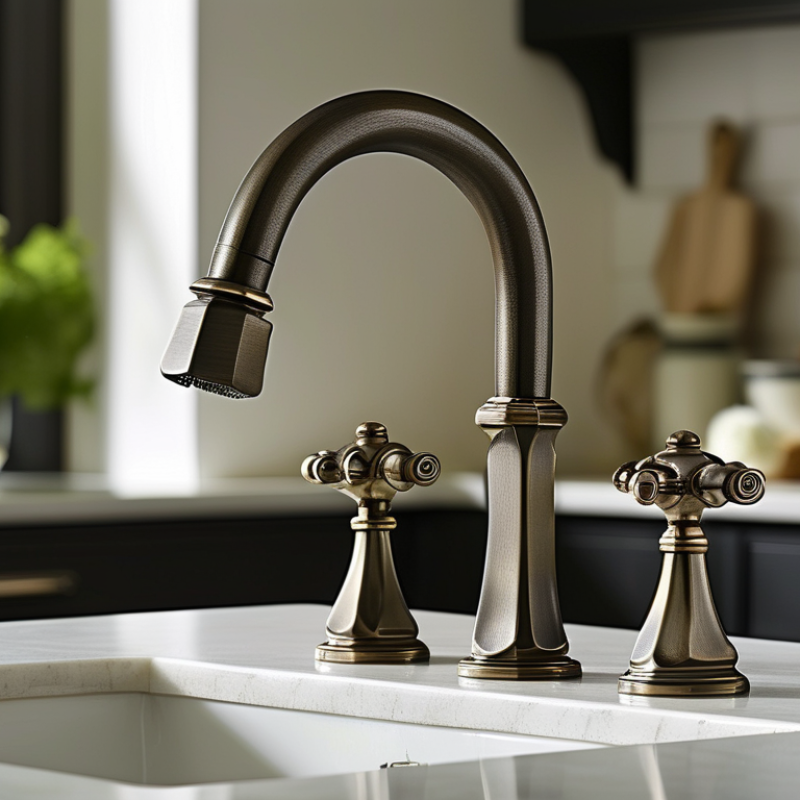
Top 10 Tips for Choosing the Best Faucet Handle for Your Home

Understanding Different Types of Faucet Handles Available on the Market

Faucet handles are crucial in defining your sink's style and functionality. Different types are available, each with unique features. One popular choice is the lever handle, which offers easy control over water flow and temperature. They are accessible for all users, making them a practical option.

Another option is the knob handle, often favored for its classic look and compact design. However, they may require more grip strength, which could be challenging for some individuals. It's essential to weigh aesthetics against practicality based on your household's needs.

Consider also that some handles come with additional features, such as touchless operation. These are convenient, especially in a busy kitchen. However, they may require more maintenance and could malfunction over time. It is important to evaluate usage patterns in your home. Visualizing how each type fits into your daily routine can make a significant difference in your choice.

Evaluating Material Choices for Durability and Aesthetics in Faucet Handles

When selecting a faucet handle, the material choice plays a crucial role in both durability and aesthetics. Common materials include stainless steel, brass, and plastic. Stainless steel is often favored for its strength and resistance to corrosion. On the other hand, brass offers a classic look, making it appealing in traditional settings. However, it can tarnish over time, requiring more maintenance. Plastic faucet handles, while lightweight and affordable, may not provide the same longevity. They can crack under pressure or extreme temperatures.

Considering aesthetics, the finish of the faucet handle affects its overall appeal. A polished chrome finish can add a modern touch to your kitchen. In contrast, oil-rubbed bronze gives a rustic vibe, blending well in farmhouse designs. Reflecting on your home's style will guide your selection. It's essential to visualize how the handle interacts with your sink and faucet design. Is it cohesive? Does it stand out or blend in too much? These questions help ensure that your choice enhances the look and feel of your space. Ultimately, balancing durability and design can be challenging, but it is a rewarding endeavor.

Assessing Compatibility with Existing Plumbing Fixtures and Decor Styles

When choosing a faucet handle, compatibility is crucial. Many homeowners overlook how their new handle will fit with existing plumbing fixtures. A recent industry report found that nearly 40% of homeowners experience difficulties during installation due to compatibility issues. Taking time to measure your current setup ensures that the handle chosen does not create alignment or functional problems.

Your decor style also plays a role in your selection. A handle's design should complement the overall aesthetic of your kitchen or bathroom. Whether modern, traditional, or minimalist, choices should reflect your personal taste. Research shows that 70% of homeowners wish they had considered their overall decor before making plumbing upgrades. Evaluating your space carefully can prevent buyer's remorse and enhance your home's cohesive look.

Finally, consider the material and finish. The right choice can prevent corrosion and wear. Many homeowners are unaware that different materials have varying lifespans. For instance, brass handles can last over 10 years, while plastic options may only last 2-3 years under similar conditions. Balancing style with practical longevity can lead to better decisions that you won’t regret later.

Considering Ergonomics and Ease of Use in Faucet Handle Selection

When selecting a faucet handle, ergonomics plays a crucial role in ensuring comfortable use. Consider the shape and size of the handle, as it should fit comfortably in your hand. A well-designed handle can reduce strain while operating, particularly for those with limited hand mobility. The ease of turning the handle is essential. Look for options that require minimal effort to operate.

Choosing a handle with a lever design can be beneficial. Lever handles allow users to control the water flow with a simple push or pull motion. This can be easier for children and elderly individuals alike. Additionally, ensure that the finish of the handle is easy to grip. Some finishes may become slippery when wet, which can lead to frustration during use.

Test various handle options in-store if possible. Feel how they operate, and pay attention to any discomfort. Sometimes, a visually appealing handle may not feel right in practice. Observe how the handle looks and feels in your space. The right fit requires both aesthetic appeal and functional comfort. Prioritize selecting a handle that harmonizes ergonomics with your home décor.

Top 10 Tips for Choosing the Best Faucet Handle

Exploring Budget Options and Price Points for Faucet Handles

When choosing faucet handles for your home, budget is a crucial aspect. Various pricing tiers exist, from affordable options under $20 to high-end designs that can exceed $200. According to industry reports, the average homeowner spends around $50 on faucet handles. This cost enables access to quality and aesthetic appeal without overspending.

Consider durability when selecting a budget option. Materials like stainless steel and brass offer longevity, while plastics can wear faster. Research indicates that handle lifespan significantly impacts overall bathroom renovation costs. Investing in a durable handle can save money in the long run, as replacements are less frequent.

When browsing options, simplify your decision-making process. Focus on ergonomic designs for comfort and ease of use. A handle that feels good in hand elevates daily experiences. Explore local hardware stores to assess visibility and usability, as physical interaction can uncover potential flaws. It's essential to balance aesthetic appeal with functional practicality. Prioritize the features you need, keeping a realistic budget in mind.

FAQS

: Why is compatibility important when selecting a faucet handle?

: Compatibility ensures the new handle fits existing plumbing. Many homeowners face installation issues due to mismatched fixtures.

How can I avoid buyer's remorse when upgrading plumbing?

Evaluate your overall decor and measure your current setup. A thoughtful choice enhances your home's cohesive look.

What role does the faucet handle's material play?

Different materials have various lifespans. Brass can last over 10 years, while plastic may only last 2-3 years.

How do ergonomics influence faucet handle selection?

Ergonomics ensure comfortable use. A well-shaped handle minimizes strain, especially for those with limited hand mobility.

What is a lever handle and its benefits?

Lever handles allow easy water control. They are user-friendly for children and elderly individuals, simplifying operation.

Why should I test faucet handles in-store?

Testing helps you gauge comfort and ease of use. A beautiful handle may feel wrong in practice if not tested.

How can I ensure better functionality with my faucet handle?

Choose handles that require minimal effort to operate. This reduces frustration and enhances daily use comfort.

What should I consider if a handle finish feels slippery?

A slippery finish can hinder operation when wet. Look for finishes that provide a secure grip to avoid discomfort.

How does decor style influence handle selection?

The handle's design should complement your kitchen or bathroom style. Ignoring this can disrupt your space's aesthetic harmony.

What’s the trade-off in choosing faucet handles for style versus durability?

Balancing appealing design with functional longevity can prevent future regrets. Sometimes, style alone may not be practical.

Conclusion

When selecting the perfect faucet handle for your home, it's essential to understand the various types available in the market. Each type offers unique features that can enhance both functionality and design. Evaluating material choices is also crucial, as durability and aesthetics play a significant role in the overall appearance of your kitchen or bathroom.

Additionally, compatibility with existing plumbing fixtures and decorating styles should be assessed to ensure a cohesive look. Ergonomics and ease of use are vital considerations, especially for households with children or elderly members. Finally, exploring budget options will help you find a faucet handle that meets your needs without breaking the bank. By taking these factors into account, you can confidently choose a faucet handle that complements your space and enhances your daily routines.

Madeline

Madeline

Madeline is a dedicated marketing professional with a wealth of expertise in our company's core offerings. With a keen understanding of the industry, she brings a unique perspective to her role, consistently delivering high-quality content that highlights the superior aspects of our products. As......