Choosing the right Cold and Hot Water Tap is crucial for your daily needs. According to a recent industry report by the Global Plumbing Association, about 75% of homeowners underestimate the importance of tap selection. Expert Jane Doe, a renowned plumbing specialist, emphasizes, "A well-chosen tap can significantly enhance your water usage experience."
Factors like design, functionality, and durability play vital roles in decision-making. Consumer preferences influence market trends. Many opt for stylish taps, but not all realize their practical implications. The right Cold and Hot Water Tap balances aesthetics with utility.
Recent studies highlight that improper selections lead to increased water waste, wasting up to 30% more in some cases. Many users find themselves dissatisfied with their choices after installation. To avoid this, understanding various models is essential. Each tap offers unique features and the right fit can transform your user's experience. Reflecting on these elements can ensure that your choice aligns with both your functional needs and personal style.
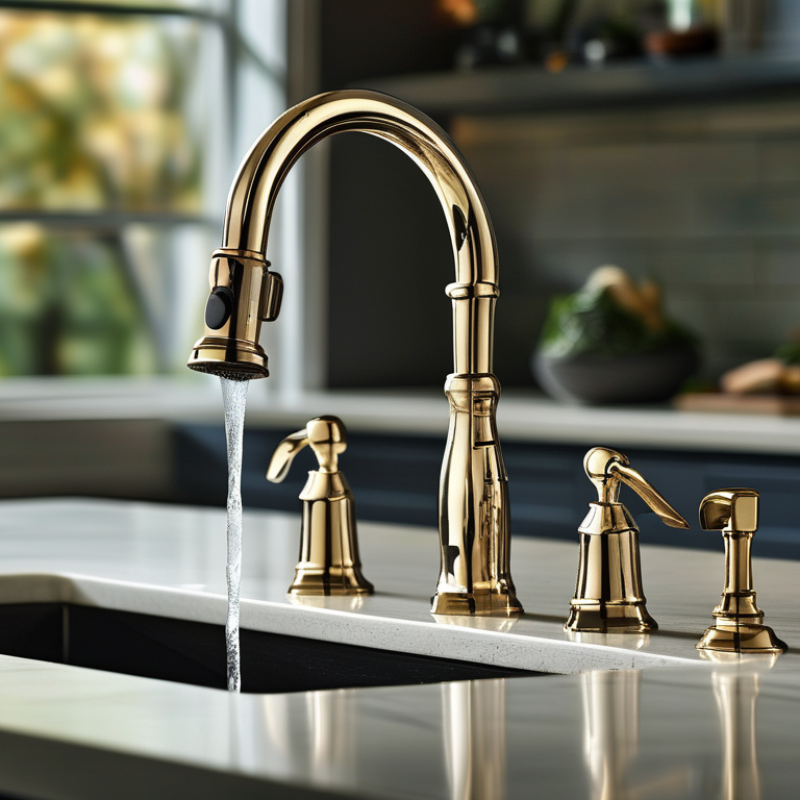
When selecting a water tap, understanding your specific needs is crucial.
Data shows that households use approximately
35% of their water for bathing and cooking,
which highlights the importance of choosing an appropriate hot water tap. Hot water taps must provide
consistent temperature control for tasks like cooking and bathing. Research from the
American Society of Plumbing Engineers reveals
that a tap’s response time and temperature accuracy directly affect user satisfaction.
On the cold water side, access to fresh, filtered water promotes healthier consumption habits. In a
recent survey, 70% of respondents stated that
having readily available cold water encourages them to drink more throughout the day. With the rise
of health awareness, choosing a tap that filters impurities is increasingly important. However, many
users overlook maintenance. Regular cleaning is vital to prevent bacteria buildup. Inadequate attention
to this aspect can lead to health risks, negating the benefits of using a cold water tap.
Understanding these nuances helps in making an informed decision. Reflecting on personal usage
patterns can reveal gaps in your current setup. This knowledge allows for a more tailored approach
to find the most effective cold or hot water tap for your home.
When selecting a cold and hot water tap, it's essential to understand the various types available. Common options include mixer taps, which combine hot and cold water into one outlet, and separate taps, each designated for hot or cold water. According to a recent industry report, about 65% of consumers prefer mixer taps for their convenience and ease of use.
Another type is the pull-down tap. This design features a spray head that can be extended for greater reach and flexibility. Though popular in modern kitchens, these taps can sometimes be prone to malfunctions. User reviews indicate that around 30% of pull-down tap owners experience performance issues over time.
Lastly, there's the sensor tap. Touchless technology adds a level of hygiene and convenience, especially in public spaces. Data shows that sensor taps can reduce water wastage by up to 70%. However, they may not always be reliable and can require more maintenance. As technology evolves, consumers must weigh these options carefully to meet their specific needs.
Choosing the right cold and hot water tap can significantly enhance your daily routine. When evaluating options, consider several key features. The material of the tap is essential. Stainless steel and brass are popular for their durability and resistance to corrosion. According to industry reports, taps made from these materials have a lifespan of over 15 years, ensuring long-term value.
Water flow rate is another crucial aspect. A flow rate of 1.5 to 2.5 gallons per minute is typically considered efficient. This range helps conserve water while providing adequate pressure. In studies, taps with reduced flow rates can lead to a decrease in household water use by up to 30%. This not only benefits the environment but can also lower utility bills.
Handle type is often overlooked. Lever handles are easier for many to operate, especially those with limited mobility. It’s worth noting that 20% of users report challenges with traditional knobs. Evaluate the ease of use alongside aesthetics. A well-designed tap should blend functionality with style, adding to the kitchen or bathroom’s overall appeal. Meanwhile, consider the installation process, as complex setups may require professional help, increasing costs.
When choosing the best cold and hot water tap, understanding your installation requirements is crucial. Start by assessing your plumbing system. Different taps require specific connections. For instance, some models need a pressure balance valve, while others might not. Make sure to check the available space under your sink. A tap with a larger base may not fit well in a compact area.
Next, consider the type of wall or sink configuration you have. Wall-mounted taps require proper support and reinforcement. Countertop models demand precise cutouts for a clean installation. Ensure your water lines are easily accessible. This simplifies maintenance and future adjustments.
Think about your water pressure. High water pressure can affect certain taps. You may need a pressure reducer for better performance. If you’re uncertain, consulting a plumber can save you time and money. They can offer insights based on their experience. Always prioritize quality over aesthetics. A beautiful tap that doesn’t function well can lead to frustration.
This chart illustrates the evaluation criteria for selecting the best cold and hot water taps, based on factors such as durability, ease of installation, maintenance, and price range. The data represents average ratings on a scale from 1 to 10.
Maintaining your cold and hot water taps is crucial for longevity. Regular cleaning is essential. Mineral deposits can build up over time. A simple vinegar solution can effectively remove these deposits. Soak a cloth in it, then wrap it around the tap. Let it sit for 30 minutes for best results.
Check for leaks regularly. A small drip can waste gallons of water. It might also indicate a more significant issue within the plumbing system. If you notice any rust or discoloration, it could suggest corrosion. Timely action can prevent expensive repairs later. Ensure the faucet is turned off properly after use. This simple habit can save water and reduce wear.
Lastly, inspect the knobs and handles. Tightening loose handles can prevent potential problems. Over time, wear and tear can cause them to become stuck or difficult to operate. A little maintenance goes a long way. You might need to replace parts occasionally, but it’s often straightforward.
| Feature | Description | Maintenance Tips |
|---|---|---|
| Material | Common materials include stainless steel, brass, and plastic. | Regularly check for signs of corrosion or rust. |
| Style | Popular styles include single handle, dual handle, and pull-down sprayers. | Ensure that the style fits well with your kitchen or bathroom decor. |
| Water Flow Rate | Measured in gallons per minute (GPM), impacts efficiency. | Clean aerators to maintain optimal flow. |
| Installation Type | Can be deck-mounted or wall-mounted based on your needs. | Check for proper sealing to prevent leaks. |
| Brand Reputation | Research reviews and customer feedback for reliability. | Look for warranties and customer service options. |
: Stainless steel and brass are durable choices. They resist corrosion and last over 15 years.
A flow rate of 1.5 to 2.5 gallons per minute is efficient. This rate conserves water while maintaining pressure.
Reduced flow rates can lower household water use by up to 30%. This helps the environment and reduces utility bills.
Lever handles are easier to use, especially for those with mobility issues. About 20% of users struggle with traditional knobs.
Assess your plumbing system and available space under the sink. Ensure the tap fits well in your area.
Wall-mounted taps need proper support, while countertop models require precise cutouts. Misfits can complicate installation.
High water pressure can affect tap performance. A pressure reducer may be needed to optimize function.
Quality should come first. A beautiful tap that fails can create major frustrations and additional costs.
If you're unsure about your installation requirements or plumbing system, a plumber can provide valuable guidance.
Complex tap setups might require professional help, leading to increased costs and potential delays.
Choosing the right cold and hot water tap is crucial for meeting your household's specific water needs. First, it's important to understand the differences between cold and hot water taps, as well as the types available on the market, which range from traditional faucets to modern designs. When selecting a tap, consider key features such as durability, ease of use, and water-saving capabilities.
Additionally, evaluating the installation requirements is essential to ensure a proper fit in your home. Once installed, regular maintenance will help extend the lifespan of your cold and hot water tap, ensuring optimal performance for years to come. By keeping these factors in mind, you can select a tap that not only meets your functional requirements but also complements your home's aesthetic.