Choosing the right Tub Faucet Water Filter for your home can be daunting. With various options available, selecting the best filter requires careful consideration. Expert water filtration specialist, Dr. Emily Johnson, emphasizes, “A good water filter does more than purify; it enhances your quality of life.” This highlights the importance of understanding your needs.
Firstly, consider the type of contaminants in your water supply. Each Tub Faucet Water Filter has unique features targeting specific impurities. Some filters excel at removing chlorine, while others focus on heavy metals or bacteria. Ensure you have your water tested to make an informed choice.
Another vital aspect is the installation process and maintenance. Not all filters are user-friendly. Some models may require professional installation, which could add to your costs. Evaluate the ease of replacement for filter cartridges. The more accessible it is, the less hassle for you. Remember, the right Tub Faucet Water Filter should fit seamlessly into your lifestyle while ensuring your family's health.
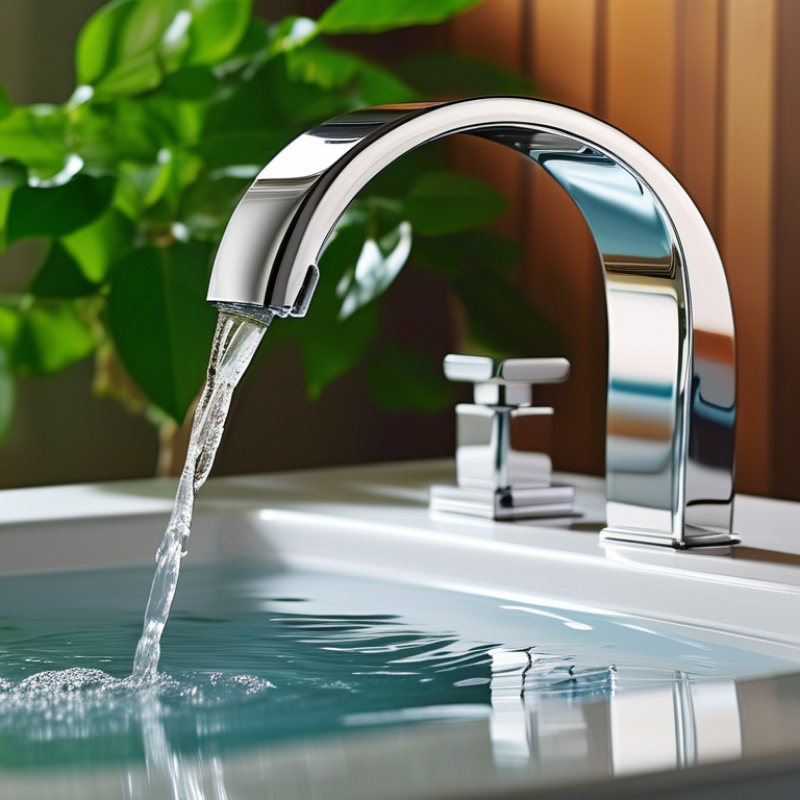
Tub faucet water filters play a crucial role in maintaining the quality of your home’s water supply. They help remove contaminants such as chlorine, lead, and sediments from tap water. This filtration not only improves taste and odor but also enhances safety, especially for young children and elderly family members. Clean water is vital for cooking and bathing, making these filters significant.
Many homeowners overlook the importance of installation and maintenance. An improperly installed filter may not provide adequate protection. Also, frequent replacement of filter cartridges is necessary for optimal performance. It's easy to forget about them until you notice a change in water quality. Regularly inspecting your water filter can prevent issues before they escalate.
Investing in a quality tub faucet water filter is worthwhile. Researching different filtration systems can help you find one that meets your needs. Consider factors such as flow rate and ease of installation. Ultimately, having access to clean water is essential for a healthy lifestyle, and every step towards that goal is important.
| Feature | Importance | Considerations |
|---|---|---|
| Filtration Type | Removes contaminants like chlorine, lead, and sediments | Choose based on the specific contaminants in your water |
| Flow Rate | Affects water pressure and how quickly water comes out | Consider your household usage and preferences for water flow |
| Ease of Installation | More convenient for quick setup without professional help | Look for products that fit standard tub faucets with minimal tools |
| Filter Lifespan | Indicates how often the filter needs to be replaced | Compare replacement costs and frequency for budget considerations |
| Price | Affects affordability and long-term investment in home filtration | Balance between feature set, quality, and your budget |
| Aesthetic Design | Enhances the look of your bathroom or tub area | Choose styles that complement your existing bathroom decor |
: Start with a water quality test to identify contaminants in your water supply.
Focus on hardness, chlorine levels, and heavy metals during your water quality test.
Understanding local contaminants helps in selecting the right filter for your specific needs.
Consider your goals, such as reducing chlorine taste or removing bacteria, when selecting a filter.
Ensure your faucet dimensions match the filter specifications and that it fits securely.
Regularly inspect the filter for wear and replace it if water pressure drops or taste changes.
Yes, routine cleaning prevents grime buildup and ensures better water quality.
No, different homes have unique needs. Reflect on your specific water usage patterns.
Stay aware of advancements, as filtration needs may change over time based on new developments.
Neglecting maintenance may lead to reduced water quality and potential health risks from contaminants.
When selecting the best Tub Faucet Water Filter for your home, it is essential to first understand its importance in providing clean and safe water for daily use. Evaluating your specific water quality needs will help ensure that the filtration system you choose effectively addresses any contaminants present. By comparing different types of Tub Faucet Water Filters, you can identify which system aligns with your requirements, whether it be for taste improvement, chlorine removal, or heavy metal reduction.
Additionally, it is crucial to assess the features and specifications of each filter to ensure optimal performance. Consider factors such as flow rate, filter lifespan, and ease of installation. Finally, proper installation and regular maintenance will prolong the life of your Tub Faucet Water Filter, ensuring that you continuously enjoy safe and high-quality water in your home.

 Huazhu