As concerns about water quality rise globally, homeowners seek reliable solutions. The Water Purification Tap has become a crucial fixture in many kitchens. These taps not only ensure clean drinking water but also provide peace of mind.
Choosing the best Water Purification Tap can be challenging. Various brands offer different features, which may confuse buyers. Understanding your needs is essential. Some users prioritize taste, while others focus on filtration speed. Each factor plays a significant role in selection.
Many users encounter issues like replacement costs and maintenance. Not all products are user-friendly. Some taps require frequent filter changes, which can be costly. When researching, consider the long-term implications of your choice. Find a balance between convenience and quality.
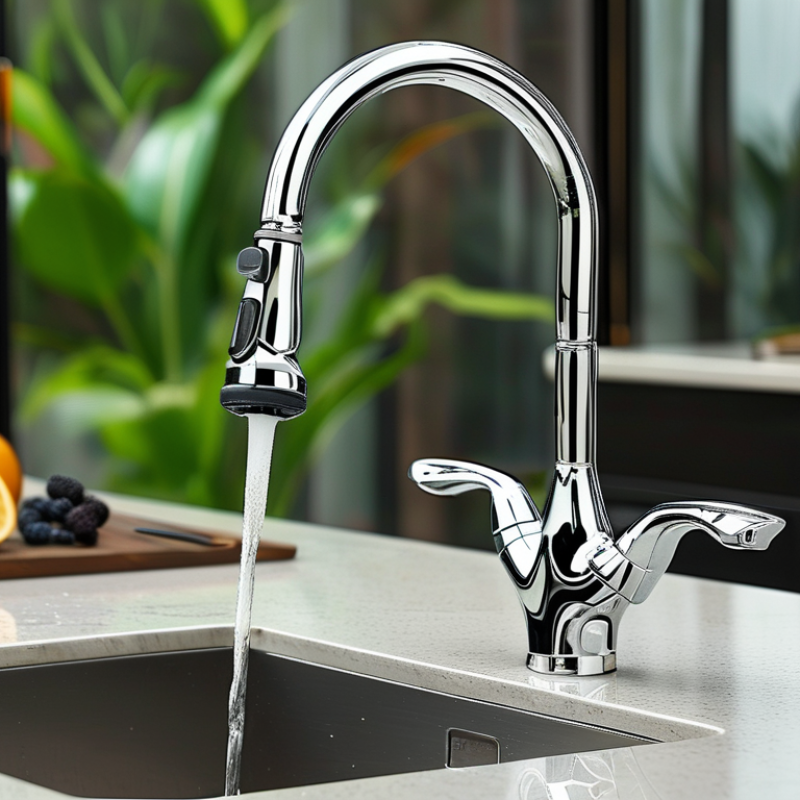
As water quality concerns grow globally, the market for water purification tap technologies is evolving rapidly. Recent reports indicate a surge in demand for these systems, projected to reach 15 billion USD by 2026. This underscores a shift in consumer priorities towards healthier living. People are increasingly aware of contaminants found in tap water, leading to a higher adoption rate of purification solutions.
Innovative technologies are emerging in this sector. Activated carbon filters and UV purification systems are leading the charge. These methods not only remove impurities but also enhance taste and odor. A recent study from the Water Quality Association noted that over 70% of consumers value systems that blend convenience with efficacy. However, navigating the variety of options can be overwhelming. Some systems may require frequent maintenance or replacement parts, impacting overall satisfaction.
Sustainability also plays a crucial role in this market. Many consumers prioritize eco-friendly options. Reports suggest that over 60% of buyers prefer taps that reduce plastic waste. Yet, the industry faces challenges in standardizing eco-certifications. This inconsistency can lead to confusion among buyers. As we move towards 2026, addressing these gaps in information and innovation will be essential for building a more transparent market.
When choosing a water purification tap, a few key features stand out. Filtration capability is crucial. Look for taps that remove contaminants, including heavy metals and bacteria. Some systems use multi-stage filters for added safety. This ensures cleaner, safer drinking water.
Another aspect is ease of installation. Many taps offer DIY options. However, don’t overlook the potential complexity of some models. Assess your plumbing skills before purchasing. A professional installation may save time and prevent leaks later.
Efficiency matters too. Check the flow rate and filter lifespan. A higher flow rate can be convenient for daily use. Yet, a longer-lasting filter reduces waste and cuts costs. Consider the environmental impact of frequent replacements.
**Tip:** Review user feedback before making a decision. Real experiences can highlight potential issues that specs might not cover.
**Tip:** Ensure the tap material is durable and safe. Stainless steel and food-grade plastics are often good choices.
Evaluate your needs carefully. A well-chosen tap can improve water quality significantly. But remember, no system is perfect. Regular maintenance is essential to keep filtration systems working correctly.
| Model | Filtration Type | Capacity (Gallons) | Filter Life (Months) | Certification | Price Range (USD) |
|---|---|---|---|---|---|
| Model A | Reverse Osmosis | 50 | 12 | NSF/ANSI 58 | $250 - $300 |
| Model B | Activated Carbon | 30 | 6 | NSF/ANSI 42 | $150 - $200 |
| Model C | Ultrafiltration | 20 | 12 | NSF/ANSI 53 | $100 - $150 |
| Model D | UV Purification | 40 | 12 | NSF/ANSI 55 | $200 - $250 |
| Model E | Composite Filtering | 60 | 9 | NSF/ANSI 61 | $300 - $350 |
The water purification tap market is rapidly evolving. In 2026, it is projected to reach a valuation of $12 billion. This growth is driven by rising health concerns associated with water quality. Increasing contamination levels in municipal supplies also contribute to this trend.
Top brands in the purification tap space focus on innovative filtration technologies. Reverse osmosis and activated carbon are leading methods. A report from the Global Water Quality Association indicates that 62% of consumers prioritize these technologies. However, brand differentiation often blurs in a crowded market. Buyers face confusion over performance claims and features.
Not every option is equally effective. Some brands may promise quick results but deliver subpar purification. Inconsistencies in filter lifespan and water quality can frustrate users. Reports show that 27% of consumers are unsatisfied with their current water purification systems. This dissatisfaction calls for informed choices and expert consultations. Seeking guidance from reliable sources ensures better decisions in this essential market.
Water purification taps are gaining popularity as an alternative to bottled water. They provide immediate access to clean water. This convenience can reduce reliance on single-use plastic bottles. Many consumers seek sustainable choices.
When comparing environmental impact, water purification taps have significant advantages. They typically consume less energy over time. Unlike bottled water, which requires extensive packaging and transportation, taps reduce waste. However, not all purification taps are created equal. Some may require more frequent filter changes, generating additional waste.
Despite their benefits, water purification taps present challenges. The initial installation can be daunting for some users. It requires familiarity with plumbing, sometimes leading to hesitation. Additionally, not every tap removes all contaminants effectively, raising concerns. Users must research their options to ensure they make informed decisions. Balancing convenience and sustainability is a vital part of this choice.
When exploring the best water purification taps, consumer reviews provide valuable insights. Users often discuss their experiences with convenience and efficiency. Many appreciate the ease of installation and how these taps improve water quality, making it safer for families. However, some users express concerns about maintenance. Regular filter changes can be tedious, and forgetting to replace them can lead to diminished performance.
Another common theme in user feedback is the taste of water. For many, purified water significantly tastes better than tap water. Reviews highlight the satisfaction of drinking cleaner water. Nonetheless, some people find that the initial cost is high. Investing in a reliable system can be a barrier for budget-conscious consumers. Users often reflect on the long-term benefits versus the upfront expense.
While consumer insights shed light on various experiences, there are aspects that require reflection. Not every tap offers the same level of purification. It’s crucial for buyers to research and compare different options. Users warn against relying solely on brand reputation. Ultimately, it’s about finding a balance between effectiveness, cost, and ease of use.
: Key features include filtration capability, ease of installation, and efficiency in flow rate and filter lifespan.
Filtration capability is crucial. It ensures contaminants like heavy metals and bacteria are effectively removed from water.
Many taps offer DIY installation. However, assess your plumbing skills. Some models can be complex and may need professional help.
A higher flow rate allows for convenient daily use. It can improve your experience with the water purification tap.
A longer-lasting filter reduces waste and saves money. Frequent replacements can have a negative environmental impact.
Reviews provide insights into user experiences, especially on convenience and maintenance. They highlight potential issues.
Forgetting to change the filter can lead to reduced performance. Regular maintenance is essential to keep the system effective.
No, not all taps provide the same level of purification. It's essential to research and compare options before buying.
Yes, some users find the upfront cost high. Balancing long-term benefits against initial expenses is important for budget-conscious consumers.
Durable and safe materials like stainless steel and food-grade plastics are often preferred for their longevity and safety.
The article "2026 Best Water Purification Tap Options for Global Buyers" provides a comprehensive overview of the current market for water purification taps, highlighting the latest technologies and trends shaping the industry. It serves as a buyer’s guide, emphasizing key features such as filtration efficiency, ease of installation, and design variations that consumers should consider when selecting a water purification tap for their needs.
Furthermore, the article explores the environmental implications of using water purification taps compared to traditional bottled water, underlining the sustainability benefits associated with tap systems. To enrich the buyer’s experience, it includes consumer reviews, offering valuable insights from users who have adopted leading water purification tap solutions. This article is an essential resource for consumers seeking to make informed choices in the increasingly popular water purification market.
