Best Filter Faucet Water Solutions for Clean Drinking Water?

Time:2026-06-16 Author:Mason
0%

In the quest for clean drinking water, many families turn to Filter Faucet Water solutions. According to Dr. Emily Harper, a renowned water quality expert, "Filter Faucet Water systems are essential for ensuring safe hydration at home." Her insights highlight the increasing importance of reliable filtration options.

Choosing the right filter can be overwhelming. With numerous products on the market, it's crucial to know what suits your needs. Some filters effectively remove contaminants, while others focus solely on improving taste. Each option comes with its advantages and limitations, which can confuse consumers.

While Filter Faucet Water systems offer advantages, users should critically evaluate their choices. For instance, some filters must be replaced regularly to maintain effectiveness. Ignoring this can lead to re-contamination. Additionally, not all filters eliminate heavy metals or chemicals. This variability raises questions about which product is truly the best. It’s vital for consumers to do their homework and choose wisely.
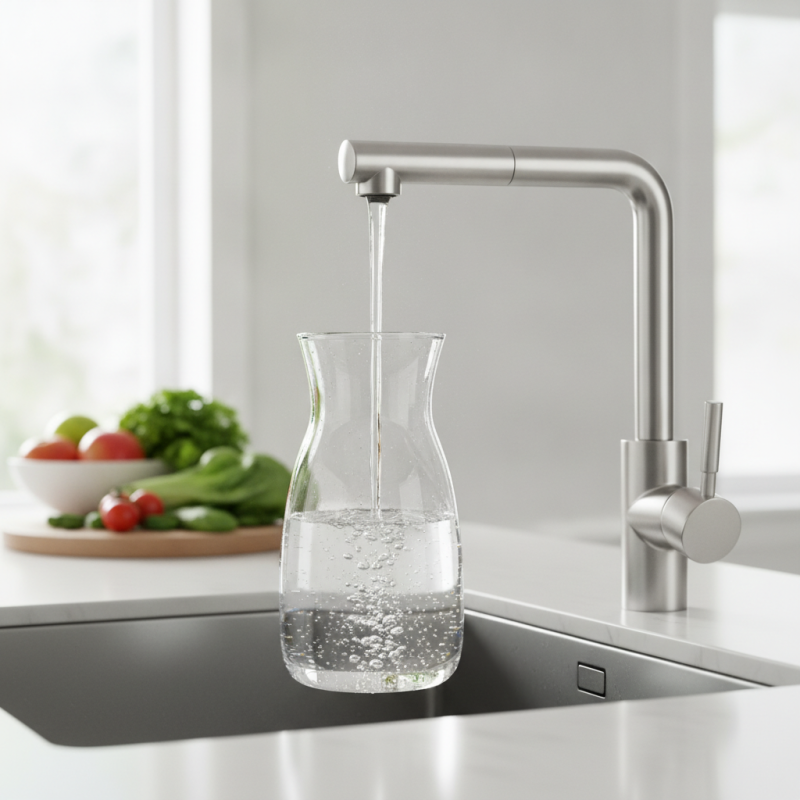
Best Filter Faucet Water Solutions for Clean Drinking Water?

Best Filter Faucet Water Solutions for Clean Drinking Water

When choosing filter faucet water solutions, consider water quality. According to the Environmental Protection Agency (EPA), more than 85% of U.S. households deal with contaminants in tap water. These can include lead, chlorine, and harmful bacteria. Reliable filtration systems can reduce these risks significantly, offering cleaner drinking water.

Effective solutions often use multiple filtration methods. Activated carbon filters are popular for removing chlorine and improving taste. Reverse osmosis systems are effective against heavy metals and certain microorganisms. A combination of both can provide comprehensive protection, meeting diverse needs.

Consumer Reports highlights that proper maintenance is crucial. Filters need replacement every few months to ensure performance. Ignoring this can lead to greater contamination. Evaluate your water quality periodically. Every home has unique issues, and one solution may not fit all. Reflecting on your specific requirements can help you choose wisely.

Filter Faucet Water Solutions for Clean Drinking Water

Overview of Contaminants in Tap Water and Their Health Risks

Tap water often carries various contaminants that pose potential health risks. Heavy metals, such as lead and arsenic, can leach into the water supply through old plumbing systems. Consuming high levels of these metals may lead to serious health issues, including neurological damage. Recent studies highlight that even low concentrations over extended periods can be harmful.

Chlorine and chloramine are commonly used for disinfection. Despite their role in killing harmful microbes, they can also form byproducts that may be carcinogenic. Many individuals remain unaware of the potential dangers associated with these chemicals. Additionally, pesticides and industrial waste can infiltrate water sources, introducing harmful chemicals that affect overall wellbeing.

Understanding these risks allows consumers to make informed choices. Implementing a filtration solution can significantly improve water quality. However, not all filters effectively remove all contaminants. Some may miss specific toxins, casting doubt on their reliability. Regular testing of water quality ensures that families can safely enjoy clean drinking water.

Comparison of Different Types of Faucet Water Filters and Their Efficacy

When exploring faucet water filters, there are various types to consider. Carbon filters are popular for their ability to remove chlorine and improve taste. These filters work by trapping impurities as water flows through. However, they may not effectively remove certain contaminants, such as heavy metals.

Reverse osmosis systems are another option. They filter water through a semi-permeable membrane, removing a wide range of impurities. These systems provide high-quality drinking water. Still, the installation can be complex, and some users may find the waste produced concerning. Understanding both options allows consumers to weigh effectiveness against practicality.

Ceramic filters are less common but are worth mentioning. They are effective at removing bacteria and sediment, making them reliable for specific needs. Yet, they may require regular cleaning to maintain efficacy. Users should be aware of their limitations and adapt usage accordingly. Each filter type presents unique benefits and drawbacks, shaping the choice for clean drinking water.

Key Features to Consider When Choosing a Filter Faucet System

Choosing the right filter faucet system is crucial for ensuring clean drinking water at home. When evaluating options, several key features deserve attention. Water filtration efficiency is paramount. According to the National Sanitation Foundation, a good filter should remove over 99% of contaminants like lead and chlorine. Filters that lack certification may fail to deliver safe drinking water.

Another vital aspect is the filter lifespan. Many filters need replacement every three to six months. Monitoring this can become tedious. Some systems advertise longer-lasting filters, but these may sacrifice other qualities. A common misconception is that all filters are created equal. However, efficiency and longevity can vary significantly between models.

Ease of installation is also a key factor. Complicated setups can deter users from utilizing the system effectively. It is important to choose a model that offers a straightforward installation process, as a user-friendly design encourages regular use. On average, consumers express frustration over products that require specialized tools or technical knowledge. Given that about 25% of households do not filter their tap water, accessibility could be the key to improving public health.

Industry Standards and Certifications for Drinking Water Filtration

When considering drinking water filtration, it's essential to understand industry standards and certifications. Look for filters that meet NSF/ANSI standards. These standards ensure that a product has been tested for its contaminant reduction claims. Compliance with these certifications attests to the filter's reliability and effectiveness in providing clean drinking water.

Many households underestimate the importance of these certifications. Not all filters are created equal. Some products may advertise significant contaminant removal but lack third-party verification. This disparity can lead to disappointment when the product doesn’t perform as expected.

In addition to certifications, consider the specific contaminants in your water supply. Local water quality reports can provide insight into what might need to be filtered out. Reflecting on your needs will help you choose the right solution. It's not just about taste; it's about safety too. Combining awareness of certifications with personal research forms a solid foundation for informed decisions.

Cost Analysis of Filter Faucet Solutions Compared to Bottled Water

The cost analysis of filter faucet solutions presents a compelling case for consumers. Research shows that Americans spend over $100 billion annually on bottled water. This significant expenditure raises questions about value and sustainability. Filter faucets provide an alternative that could save consumers money in the long run.

According to a study by the Water Quality Association, families can save an average of $600 each year by switching from bottled water to a filter faucet system. This transition not only cuts costs but also reduces plastic waste. Many people underestimate the environmental impact of single-use plastics. The increasing concern over pollution underscores the importance of making informed choices.

However, initial investment for filter faucet systems may deter some individuals. Quality filtration systems can vary between $50 to $300. The longevity and effectiveness of these filters must be considered. Regular maintenance and replacement are essential to ensure clean drinking water. It's crucial to choose a system that meets specific needs and local water quality. A filter faucet can provide not just economic benefits but also peace of mind regarding water safety.

Best Filter Faucet Water Solutions for Clean Drinking Water

Solution Type Initial Cost ($) Annual Filter Replacement Cost ($) Estimated Annual Water Cost ($) Total Annual Cost ($) Bottled Water Annual Cost ($)
Basic Faucet Filter 30 50 60 140 600
Advanced Faucet Filter 100 40 60 200 600
Reverse Osmosis System 300 100 60 460 600
Activated Carbon Filter 50 60 60 170 600

FAQS

: What are the main types of faucet water filters?

: The main types include carbon filters, reverse osmosis systems, and ceramic filters.

How do carbon filters work?

Carbon filters trap impurities as water flows through, improving taste and removing chlorine.

What are the limitations of carbon filters?

They may not effectively remove heavy metals and some specific contaminants.

What is a benefit of reverse osmosis systems?

They remove a wide range of impurities, providing high-quality drinking water.

Are there any concerns with reverse osmosis systems?

Installation can be complex, and they produce waste water during the filtration process.

Why might ceramic filters be a good choice?

They effectively remove bacteria and sediment, making them reliable for certain needs.

What is a significant advantage of using filter faucet solutions over bottled water?

Families can save an average of $600 annually by switching to filter faucet systems.

What initial costs should consumers expect?

Quality filtration systems vary from $50 to $300, depending on the type.

How does using filter faucets impact the environment?

It reduces plastic waste associated with single-use bottled water.

What should users regularly maintain for water safety?

Regular maintenance and replacement of filters are essential for clean drinking water.

Conclusion

The article "Best Filter Faucet Water Solutions for Clean Drinking Water" explores the various alternatives available for ensuring safe and clean drinking water directly from your tap. It begins with an overview of common contaminants found in tap water, examining their potential health risks to consumers. The piece then compares different types of Filter Faucet Water systems, assessing their efficacy in removing harmful substances.

Additionally, it highlights key features one should consider when selecting a filter faucet system, such as flow rate, filter lifespan, and installation requirements. The discussion includes industry standards and certifications, ensuring that consumers can trust the safety and effectiveness of their water filtration choices. Finally, a cost analysis compares the economic advantages of using filter faucet solutions versus relying on bottled water, making a compelling case for in-home filtration options.

Mason

Mason

Mason is a seasoned marketing professional with a deep expertise in the company's offerings and a passion for driving brand awareness. With a strong background in digital marketing strategies, he has an innate ability to connect with diverse audiences and effectively communicate product benefits.......