In recent years, the demand for Touchless Water Faucets has surged in both homes and businesses. These modern fixtures offer a convenient solution to promote hygiene and reduce water waste. Touchless technology allows users to control water flow without physical contact, minimizing the spread of germs and bacteria.
Many homeowners and business owners are now considering the benefits of these faucets. They not only enhance the user experience but also contribute to water conservation efforts. However, not all Touchless Water Faucets are created equal. Some models may falter in durability or sensor sensitivity, leading to user frustration.
Investing in a reliable Touchless Water Faucet can greatly improve sanitation in kitchens and bathrooms. It's essential to research various options to find the best fit for your specific needs. With the right information, you can make an informed decision that combines functionality and innovation.
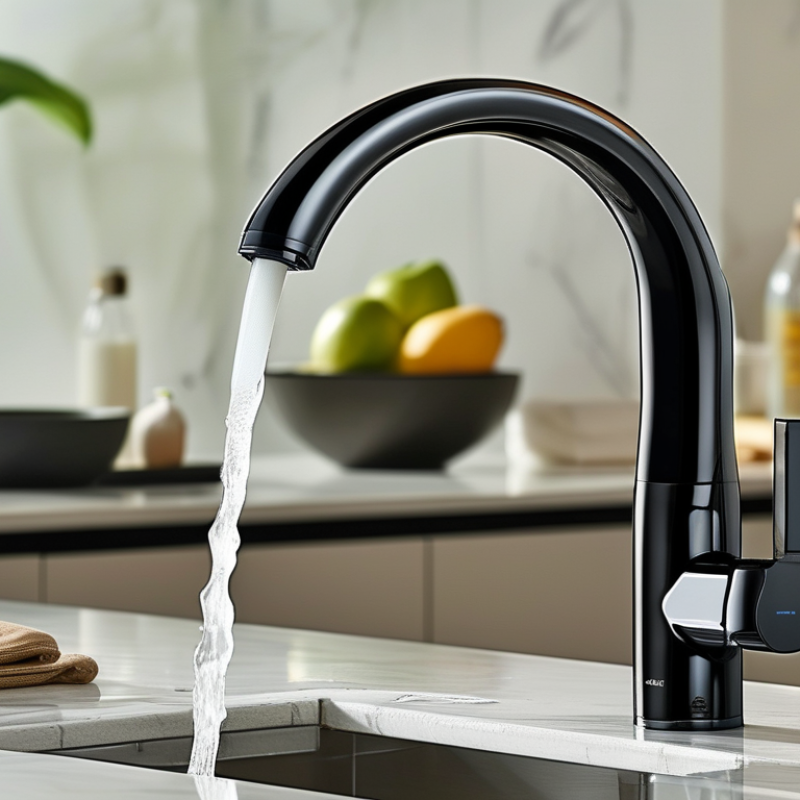
Touchless water faucets are gaining popularity for both home and business environments. They provide convenience, hygiene, and water conservation. Different types cater to specific needs. Common types include infrared sensors, which detect hand movement, and electronic faucets activated by a touchpad.
Infrared sensors are the most widely used. According to industry reports, they account for approximately 70% of the touchless faucet market. They offer hands-free operation, which is essential in public spaces like restaurants and hospitals. However, false activations can occur, leading to water waste. Maintaining the sensor’s cleanliness is crucial to minimize this issue.
Electronic faucets also exist. They require a simple touch to operate, making them ideal for residential use. They often provide more control over water flow and temperature. However, they may also run into battery life issues. Ensuring regular battery checks can help prevent unexpected shutdowns. These faucets are perfect for users who want quick access without the risk of cross-contamination.
When evaluating touchless water faucets, several key features are crucial for making an informed choice. One significant aspect is the sensor technology. Advanced infrared sensors are more reliable and trigger faster than basic alternatives. According to a recent industry report, faucets with high-quality sensors can improve users’ experience by up to 30%. This technology reduces water waste and enhances hygiene, which is particularly important in commercial settings.
Flow rate is another vital feature. A faucet with adjustable flow rates allows versatility for various tasks. The Environmental Protection Agency states that using touchless faucets can lead to a reduction in water usage by approximately 20-30%. However, some models may have flow rates that are too low for specific needs, such as washing dishes. It's crucial to balance efficiency with functionality.
Installation type also matters. Some faucets are easy to mount without professional help, while others may require plumbing expertise. User reviews often highlight that complicated setups can lead to frustration. Maintenance is equally important; choosing a model with easy-to-clean surfaces and replaceable parts can minimize long-term costs. Overall, considering these features ensures a smart investment for any home or business.
Touchless water faucets have gained popularity in both homes and businesses. These innovative fixtures offer convenience and improved hygiene. Many brands now manufacture various models, catering to diverse needs. When selecting a touchless faucet, consider its sensor range. Short-range sensors may require close proximity, while long-range ones offer more freedom. Look for a balance between sensitivity and functionality.
Another aspect to examine is the power source. Some faucets run on batteries, while others are hardwired. Battery-operated models are easy to install but may need frequent replacements. Hardwired units often provide more reliability. Optimal choice depends on your space and preference. Water efficiency is also essential. Select models designed to minimize wastage while still providing a satisfying flow.
Design and finish play a crucial role in aesthetics. Options range from sleek chrome to matte black. Choosing the right look can enhance your kitchen or bathroom. However, remember that style should not overshadow function. Regular maintenance is also necessary to ensure longevity and performance. Many users overlook this, leading to issues over time. Being mindful of upkeep can prevent frustrations in the future.
| Model | Type | Material | Water Flow Rate (GPM) | Power Source | Price Range |
|---|---|---|---|---|---|
| Model A | Kitchen Faucet | Stainless Steel | 1.5 | Battery | $150 - $180 |
| Model B | Bathroom Faucet | Brass | 1.2 | AC Adapter | $100 - $130 |
| Model C | Commercial Faucet | Zinc Alloy | 2.0 | Battery | $200 - $250 |
| Model D | Sensor Faucet | Plastic | 1.5 | AC Adapter | $80 - $100 |
| Model E | Luxury Faucet | Bronze | 1.8 | Battery | $300 - $350 |
Touchless water faucets offer convenience and hygiene, making them popular in homes and businesses. Installing these fixtures can be straightforward, but proper care is vital. A study by the American Journal of Infection Control indicates that touchless systems can reduce germ transfer by up to 80%, but only when properly maintained.
To start, ensure you have the right tools ready for installation. Common tools include a wrench and screwdriver. Also, read the installation manual carefully. Mistakes during installation can lead to leaks or malfunctions. Regular maintenance is essential. Check sensors for proper functioning regularly. Clean the faucet's exterior and the sensor area with a soft cloth to avoid buildup. Remember, mineral deposits can affect sensor performance.
It's also crucial to monitor water usage. Some studies show that touchless faucets can cut water consumption by 30% compared to traditional models. However, if not maintained appropriately, they can waste more water. Periodically inspect for leaks and test the faucet's response time. A delayed response might indicate a need for sensor adjustment or replacement. Taking these steps enhances longevity and efficiency, contributing to the faucet's overall reliability.
When considering touchless water faucets for home and business use, cost is a key factor.
Touchless faucets generally come with a higher upfront price compared to traditional faucets. Installation can also add to the overall expense. However, they often offer long-term savings. If you factor in water conservation, the savings can be significant over time.
Traditional faucets need manual operation, which can lead to water wastage. Touchless models reduce this by using sensors that activate water flow only when needed. This means less water running unnecessarily. Not only that, but touchless faucets can decrease the risk of germ transmission.
Maintenance is something to ponder. Touchless systems may require occasional battery replacements. Traditional faucets, on the other hand, often have simpler mechanisms, meaning potentially lower repair costs. Each option has its pros and cons. Weighing these aspects can help in making an informed choice. The upfront cost of touchless faucets might seem steep, but their efficiency and innovation may ultimately justify the investment.
: The main types are infrared sensors and electronic faucets. Infrared sensors detect hand movement, while electronic faucets are activated by touch.
Infrared sensors detect heat from hands. They allow for hands-free operation, promoting hygiene in public spaces.
False activations can happen, leading to unwanted water waste. Keeping sensors clean helps minimize this problem.
Electronic faucets offer more control over water flow and temperature. They are user-friendly and ideal for home use.
Regularly check battery life. This can prevent unexpected shutdowns and ensure consistent performance.
They reduce germ transfer significantly, but only with proper maintenance and cleaning of the sensor area.
Common tools include a wrench and screwdriver. Make sure to read the installation manual carefully to avoid mistakes.
Properly maintained touchless faucets can save 30% more water. Neglected faucets risk wasting more water due to leaks.
Inspect for leaks, test response time, and clean the faucet regularly to maintain efficiency and reliability.
A delayed response could signal a need for sensor adjustment or replacement, impacting overall performance.
The article titled "Best Touchless Water Faucets for Home and Business Use" explores the various types of touchless water faucets available in the market, highlighting their suitability for both residential and commercial settings. It emphasizes key features to consider when selecting a touchless water faucet, such as sensor sensitivity, water flow rate, and energy efficiency.
Additionally, the article presents a comparative analysis of the top models and brands, outlining essential installation and maintenance tips to ensure optimal performance. A cost analysis section further discusses the financial implications of choosing touchless faucets over traditional ones, making it clear that while initial investment may be higher, the long-term savings and benefits are substantial. Overall, touchless water faucets represent a modern solution that enhances convenience and hygiene in any environment.