Choosing the right Cold Water Filtration Faucet can significantly impact your water quality. Recent reports indicate that over 60% of consumers are concerned about contaminants in their tap water. With increasing awareness, picking a suitable filtration system is essential for many households. John Smith, a leading expert in water quality, emphasizes, "Investing in a reliable filtration faucet is not just about convenience; it's about ensuring safety."
The market for Cold Water Filtration Faucets is growing rapidly. Sales have surged by 45% in the last five years. Consumers are looking for faucets that effectively remove impurities while being cost-effective. However, not all products meet these standards. Some models may even fail to provide adequate filtration. Understanding the features and certifications of these faucets is crucial.
It's important to reflect on your specific needs. Do you want advanced filtration or easy maintenance? Also, consider aesthetic preferences. Not every faucet suits every kitchen design. Making an informed choice can lead to more satisfaction with your Cold Water Filtration Faucet.
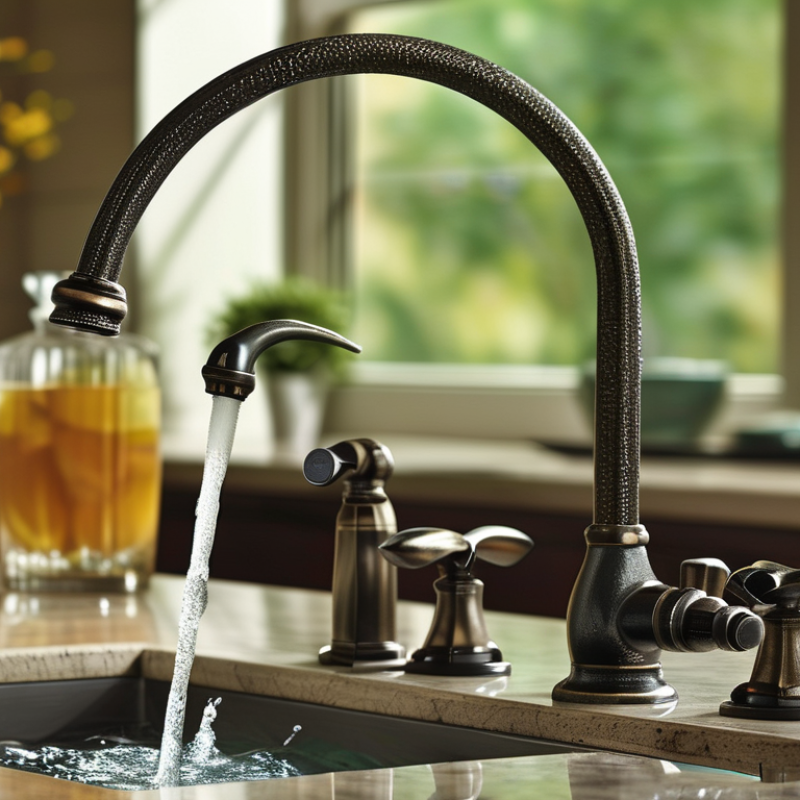
When selecting a cold water filtration faucet, it's essential to know the various types available. Faucet styles vary from traditional to modern designs. Some have single-lever controls, while others come with double handles. Each style affects usability and aesthetics. Choose a design that fits your kitchen decor and meets practical needs.
The features of a cold water filtration faucet can significantly impact your filtered water experience. Seek faucets with high filtration capabilities; they remove contaminants efficiently. Look for options with easy installation. Some faucets may require professional help, increasing costs. Ensure you consider this factor before purchasing.
When making a final decision, consider your lifestyle. Do you have a large family that uses a lot of water? A higher capacity system may work best. Are you short on space? Compact models could fit better in your kitchen. Reflect on your needs, as it shapes your selection process. The right faucet enhances your daily life and promotes a healthier lifestyle.
| Faucet Type | Filtration Method | Installation Type | Flow Rate (GPM) | Price Range |
|---|---|---|---|---|
| Standard Faucet | Carbon Filtration | Deck-Mounted | 1.5 | $50 - $100 |
| Pull-Down Faucet | Reverse Osmosis | Deck-Mounted | 2.0 | $150 - $300 |
| Touchless Faucet | UV Filtration | Deck-Mounted | 1.8 | $200 - $400 |
| Wall-Mounted Faucet | Sediment Filtration | Wall-Mounted | 1.0 | $80 - $150 |
| Compact Faucet | Activated Carbon | Deck-Mounted | 1.2 | $30 - $70 |
Choosing a cold water filtration faucet can greatly impact your drinking water quality. Key factors include filter efficiency, installation process, and overall design. According to a report from the Water Quality Association, nearly 60% of households have concerns about tap water safety. This highlights the importance of understanding filtration capabilities.
Consider the type of filter used. Activated carbon filters can remove chlorine and sediment effectively. However, they often lack effectiveness against heavy metals. A multi-stage filtration system provides a broader spectrum of purification. Evaluate your local water quality to determine which pollutants to target. The Environmental Protection Agency reports lead contamination affects around 10% of homes in the U.S. Choosing a faucet that addresses specific contaminants can enhance safety.
Installation should not be overlooked. Some models require complex plumbing work, while others can be easily installed with minimal tools. Missteps during installation can lead to leaks or inadequate filtration. Lastly, consider aesthetics. A fixture that matches your kitchen can improve the overall look. But functionality should remain your priority. Balancing design with performance is crucial. This process requires careful thought and consideration of both immediate and long-term needs.
When choosing a cold water filtration faucet, evaluating filtration technologies is crucial. Not all filtration methods are the same. Look for features like activated carbon filters. They effectively remove chlorine and improve taste. Some systems utilize reverse osmosis, which provides comprehensive purification. It eliminates pesticides and heavy metals, ensuring clean water.
Consider the filter lifespan. A longer-lasting filter can reduce maintenance and costs. Some filters last up to six months before replacement. This factor simplifies your routine. Partially clogged filters might still flow water, but they can do a poor job. Regular checks are essential to maintain water quality.
Water pressure matters too. Some filtration systems can restrict flow. Ensure that the faucet keeps a satisfactory pressure. This is especially important for larger households. It can be frustrating to wait for water, or worse, to feel unsatisfied with the flow. Evaluate the faucet’s design. An ergonomic spout can enhance usability, but aesthetics shouldn’t overshadow functionality. Consider how elements come together in a cohesive unit.
When choosing a cold water filtration faucet, it is crucial to assess the installation and maintenance requirements. Understanding how the faucet connects to your plumbing is a key detail. Some models require professional installation, while others can be installed with basic tools. Assess your own skills. Can you handle the installation? If not, hiring a plumber can ensure a proper setup.
Maintenance is another factor to consider. Regularly changing filters is essential for keeping water quality high. Some systems have easy-to-replace cartridges, while others may involve more steps. Check the availability of replacement parts. A filtration system is only as good as its maintenance. Consider your willingness to perform tasks. If upkeep feels overwhelming, you might need to rethink your choice.
Finally, analyze your space. Does the faucet fit well? Measure your sink area before purchasing. A faucet that’s too large may cause issues over time. This small detail can lead to frustration during installation. Assess your environment carefully to avoid future regrets. Choosing wisely now can save time and money later.
When selecting a cold water filtration faucet, understanding costs and brands is essential. The market offers a broad range of options, from budget choices to premium brands. According to industry reports, prices can vary significantly. Entry-level models are typically available for around $50 to $100. In contrast, high-end options can reach beyond $500. This price disparity often reflects filtration technology and brand reputation.
Brand reliability plays a crucial role. Studies indicate that consumers favor products from companies with a strong reputation for quality. Many professionals recommend looking for certifications like NSF or WQA. These ensure that the filtration systems meet strict safety and performance standards. Some consumers find it challenging to balance cost and quality, leading to frustration. It’s important to research customer reviews to gauge real-life performance and durability.
Consider maintenance costs, too. Some filter systems require frequent cartridge changes, which can add up. It's wise to compare these costs across different brands. Investing in a reliable faucet may save money long-term, even if the initial price seems higher. Balancing upfront expenses and ongoing maintenance can be tricky. However, informed decisions will lead to a more satisfactory purchase, ensuring safe drinking water for your family.
: There are traditional and modern designs. Some have single-lever controls, while others have double handles.
Consider your kitchen decor and practical needs. Reflect on your lifestyle needs for better selection.
Activated carbon filters remove chlorine and improve taste. Reverse osmosis eliminates pesticides and heavy metals.
Some filters last up to six months. Regular checks are essential to maintain water quality effectively.
Water pressure matters greatly. A restricted flow can frustrate larger households and disrupt daily use.
Prices vary greatly. Entry-level models cost around $50, while premium options can exceed $500.
Reliable brands often reflect quality. Look for certifications to ensure safety and performance of filtration systems.
Filters that need frequent changes can add up. Comparing these costs helps manage long-term expenses effectively.
When selecting a Cold Water Filtration Faucet, it's essential to understand the various types and features available. This involves assessing the specific filtration technologies each faucet employs, as well as considering key factors such as design, durability, and user convenience. Understanding these elements helps ensure that the faucet meets your household needs for clean drinking water.
Additionally, evaluating installation and maintenance requirements can save time and effort in the long run. The cost of a Cold Water Filtration Faucet can vary significantly, making it important to compare different products on the market. By considering these factors holistically, you can make an informed choice that enhances your kitchen's functionality while ensuring access to pure, delicious cold water.
