As consumers become more health-conscious, the demand for clean and filtered drinking water grows. The market for "Small Tap For Filtered Water" has witnessed notable expansion, driven by increasing awareness about water quality. According to a 2023 industry report by the Water Quality Association, nearly 40% of households now prioritize tap water filtration over traditional bottled water.
Timothy Waters, a leading expert in water filtration technologies, once noted, “The best small tap for filtered water can significantly enhance the quality of daily drinking water.” This statement highlights the importance of selecting efficient and practical filtration systems to meet every household's needs. However, the vast array of options can be overwhelming.
Many consumers often overlook compatibility with their existing plumbing systems. The small tap must not only fit their kitchen aesthetic but also deliver high-quality filtered water efficiently. While there are numerous models available, identifying the perfect one can be a reflective process. Small adjustments in choice can lead to significant improvements in water quality at home.
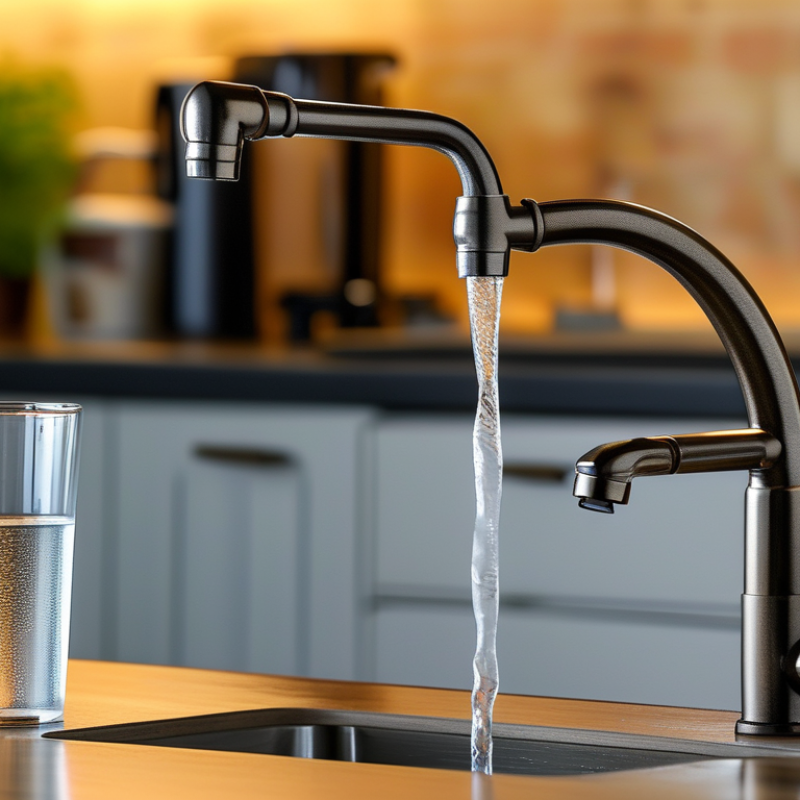
When choosing a small tap for filtered water, consider several key features. Look for taps that offer ease of installation. Many models require minimal tools. This saves time and effort.
Water quality is crucial. A good tap should reduce contaminants effectively. Research filtration technology. This ensures your water remains safe and healthy. Some taps even come with multiple filtration stages. This enhances overall water taste and safety.
Tips: Check for compatibility with your existing plumbing. Ensure the tap fits seamlessly. Not all taps are universally compatible. Also, evaluate the flow rate. A slower flow might seem less convenient but can often lead to better filtration.
Durability is another aspect to weigh. Some materials might not endure long-term use. Metal taps tend to last longer than plastic ones. They resist wear and tear, providing a reliable option. However, remember that appearance also matters. Choose a design that complements your kitchen aesthetics.
In essence, there’s no one-size-fits-all solution. Each home has unique requirements. Prioritize your needs and preferences for the best experience.
When looking for the best small tap for filtered water, several brands stand out in the market. Each offers unique features tailored to different needs. For those who prioritize space-saving designs, some brands focus on sleek, compact taps that fit easily in any kitchen. Others emphasize durability, using high-quality materials that ensure long-term usage without compromising aesthetic appeal.
Tips: Assess your space before purchasing. Accurate measurements can prevent future issues. Consider your water needs as well. Are you filtering for cooking, drinking, or both?
Some brands provide advanced filtration systems. These often include multiple stages of purification, ensuring high-quality water. Think about the maintenance of these systems, as some require regular filter replacements. It's crucial to understand how easy it is to handle these tasks.
Tips: Keep a schedule for filter changes. This will help maintain water quality. Explore user reviews for insights into real-life usage. This can provide valuable perspectives on durability and performance.
| Model | Water Flow Rate (GPM) | Filter Lifespan (Months) | Filtration Type | Unique Features |
|---|---|---|---|---|
| Model A | 1.5 | 6 | Activated Carbon | Compact Design, Easy Install |
| Model B | 2.0 | 12 | Reverse Osmosis | Multi-stage Filtration, High Purity |
| Model C | 1.8 | 9 | Ceramic Filter | Bacteria Removal, Reusable |
| Model D | 1.2 | 3 | Sediment Filter | Affordable, Easy Maintenance |
| Model E | 1.7 | 10 | UV Filter | Odor Elimination, Quick Treatment |
Installing a small tap for filtered water can elevate your home's convenience. Many homeowners want easy access to clean, safe drinking water. However, not all taps fit every sink. Careful consideration is needed when choosing the right model.
Begin by assessing your sink's space and compatibility. Measure the area where the tap will be installed. Ensure there's enough clearance for the tap's height and any additional hoses. This may require a trip to the store for fittings to ensure compatibility. Some may find this part frustrating, but it’s essential for a seamless installation.
Next, follow the installation process. Shut off the water supply. Remove the existing tap, and thoroughly clean the area. Attach the new tap according to the manufacturer’s instructions. Often, this involves connecting hoses and securing the tap to the sink. If issues arise, like leaks, don't hesitate to seek professional help. Remember, a small tap can make a big difference in your daily hydration.
Maintaining a filtered tap at home is essential for ensuring clean and safe drinking water. Regular maintenance can prevent issues that may affect its performance. Start by regularly checking the filter. Most filters have a lifespan indicated by the manufacturer. Ignoring this can lead to reduced water quality. Replace the filter even if water pressure seems fine. The change might improve taste and clarity.
Cleaning the tap frequently is also vital. Mineral buildup can restrict flow. A simple vinegar solution can help. Soak a cloth and wrap it around the tap for a few minutes, then wipe it clean. This routine takes little time but ensures optimal taste. Ensure the tap is also properly tightened; loose fittings can lead to leaks and wastage.
Lastly, observe any changes in water flow. Diminished flow might suggest clogs. In such cases, disassembling parts for cleaning might be necessary. It's not a complicated task, but be cautious. If unsure, consult a professional. Regular reflections on your tap's performance can save you time and maintain quality in the long run.
This bar chart illustrates various performance metrics for filtered water taps. The metrics include filtration efficiency, flow rate, maintenance frequency, and filter lifespan. Maintaining optimal performance requires regular checks on these parameters.
When considering a small tap for filtered water, budgeting becomes essential. A small tap can bring convenience, but costs can vary significantly. Installation fees might add up. It’s wise to explore service charges in your area. Researching beforehand can save money in the long run.
Many homeowners overlook recurring costs. Replacing filters is necessary, and prices range greatly. Some filters need replacement every few months. Others may last a year. Understanding your usage habits helps in selecting the right option. Improper budgeting can lead to financial strain.
Quality often influences cost. Cheaper options might not have the best filtration. Investing a bit more can mean cleaner water. However, it’s also about balance. An expensive unit doesn’t guarantee perfection. Assess your needs carefully. A thoughtful approach leads to the best choice for your home.
: Look for easy installation, effective contaminant reduction, and multiple filtration stages.
Measure your existing plumbing and check specifications of the tap before purchase.
Quality filters reduce contaminants, ensuring safe and healthy drinking water.
Check the filter regularly and replace it according to the indicated lifespan.
Use a vinegar solution on a cloth. Wrap it around the tap, then wipe clean.
Reduced flow could indicate clogs. Cleaning the tap’s parts may be necessary.
Yes, metal taps generally last longer than plastic ones and resist wear better.
Regularly replace filters and clean the tap to avoid mineral buildup affecting taste.
Timely changes maintain water quality and ensure the tap performs optimally.
Seek professional help to avoid damaging the tap during cleaning.
When considering a Small Tap for Filtered Water, it's essential to evaluate key features such as size, design, and filtration method to ensure it fits seamlessly into your home. Many brands offer unique capabilities, allowing homeowners to choose a tap that meets their specific needs for water purification. An effective installation guide can help users fit the tap properly, maximizing its efficiency and functionality.
To maintain optimal performance of your Small Tap for Filtered Water, regular maintenance is crucial. This includes routine checks and filter replacements as recommended by the manufacturer. Budgeting for such taps involves understanding the initial purchase costs along with potential long-term expenses for filters and upkeep. By considering these factors, homeowners can make an informed decision that enhances their water quality while fitting their space perfectly.
