7 Best Faucet Handle Types for Global Buyers?

Time:2026-09-23 Author:Ethan
0%

Choosing the right faucet can look simple until a buyer compares handle shapes, cartridge systems, finishes, and installation requirements. The best Faucet Handle Types should match user habits, water conditions, maintenance expectations, and local market preferences. A sleek lever may suit a modern apartment, while a cross handle can feel more familiar in traditional kitchens.

Global buyers also face practical differences. Mounting holes may vary. Thread sizes can differ. Some regions prefer hot-and-cold separate controls, while others favor a single mixer handle. These details affect returns, installation time, and customer satisfaction. They deserve attention.

This guide examines seven widely used Faucet Handle Types through a buyer-focused lens. It considers grip comfort, durability, cleaning, manufacturing quality, and compatibility with common faucet bodies. Real purchasing experience shows that appearance alone rarely predicts performance. A polished finish may look impressive but reveal fingerprints quickly. A small handle may suit a showroom but frustrate users with limited hand strength.

Material matters.

Ceramic cartridges, solid metal components, and tested surface coatings can support longer service life. However, product claims should be checked against samples, inspection records, and supplier communication. No guide can predict every installation or user preference. That limitation matters. Buyers should confirm dimensions, replacement-part availability, packaging protection, and quality-control procedures before placing large orders. The following comparison offers a practical starting point, not a substitute for technical verification.
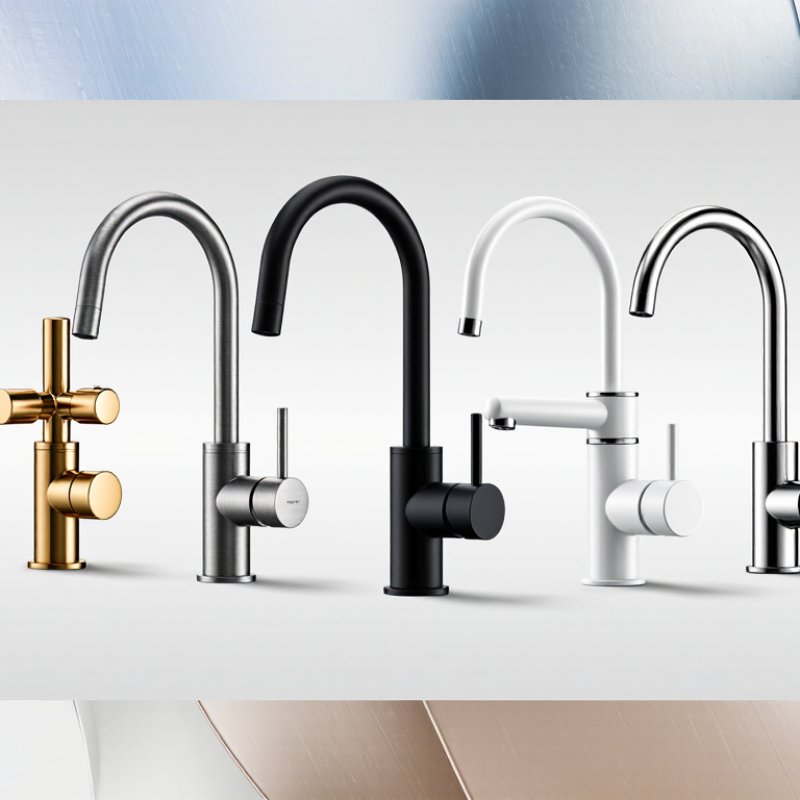
7 Best Faucet Handle Types for Global Buyers?

Faucet Handle Basics: Function, Materials, Standards, and Global Use

Choosing among seven faucet handle types requires more than matching a bathroom style. Each design changes control, maintenance, and user comfort. Lever handles work well for quick temperature adjustment, especially with wet hands. Cross handles offer precise control but need more turning force. Knob handles suit compact spaces, although children and older users may find them difficult. Joystick handles provide smooth movement through one control point. Bridge handles use separate hot and cold controls with a connected, traditional appearance. Push-button handles can improve access in public areas. Touchless faucets use sensors instead of a conventional handle.

Materials affect durability and daily feel. Stainless steel resists corrosion and feels solid under repeated use. Brass supports stable internal connections, while zinc alloy can reduce cost. ABS plastic is lightweight and useful for secondary components. A polished surface may show fingerprints quickly. That small detail is often ignored.

Global buyers must check connection sizes, water-pressure ranges, and installation standards before ordering. G1/2 connections are common in many markets, while other regions may use different thread systems. Cartridge dimensions also vary, even when two handles look identical. In field inspections, mismatched parts often cause slow leaks or difficult repairs. A perfect choice does not exist. Lever handles may be practical, but their exposed shape can catch clothing. Touchless models reduce contact, yet batteries and sensors require regular attention. Verify local plumbing requirements and replacement-part availability before purchase.

Single-Lever, Joystick, and Wrist-Blade Handles: 3 Types Compared

Choosing the right faucet handle begins with use, not appearance. The seven common types are single-lever, joystick, wrist-blade, two-handle, cross, touchless, and foot-pedal handles. Single-lever designs adjust temperature and flow with one hand. They suit busy kitchens and compact bathroom counters. Joystick handles offer precise movement, but their exposed mechanism may feel less intuitive to some users.

Wrist-blade handles are practical when hands are wet, so they work well in healthcare, food-service, and family kitchens. Two-handle and cross handles provide separate hot and cold control, which can help users fine-tune temperature. However, they usually need more counter space. Touchless handles reduce contact, while foot-pedal models support hands-free operation. Installation access matters more than many buyers expect.

The U.S. Environmental Protection Agency states that WaterSense-labeled bathroom faucets use at least 20% less water than standard models, while maintaining comparable performance. Buyers should still check local flow requirements and water-pressure conditions. The 2024 Kitchen Trends research from the National Kitchen & Bath Association also highlights convenience and multifunctional fittings as continuing design priorities. These reports support practical selection, not automatic superiority. My preference is a single-lever handle for most homes. That judgment can fail in a commercial setting. A wrist-blade or foot-pedal design may then be safer and easier to operate. Test grip, clearance, cartridge resistance, and cleaning access before ordering internationally.

Two-Handle, Cross, and Knob Handles: 3 Traditional Designs Explained

For global buyers, traditional faucet handles still offer dependable daily control.

Two-handle faucets separate hot and cold water, allowing careful temperature adjustment. This design works well in kitchens, bathrooms, and utility rooms. In practical installation checks, valve spacing matters greatly. Confirm local connection sizes before ordering. Small mismatch, big trouble. Two-handle models also make repairs more manageable because each valve works independently.

Cross handles use four short arms around a central hub. Their wide shape provides useful leverage, especially with wet or soapy hands. They can suit classic interiors and larger basins. However, the projecting arms may catch on clothing or collect water spots. Regular cleaning keeps the joints hygienic and comfortable to touch. Do not over-tighten them. Excessive force can damage internal valve components or make future servicing harder.

Knob handles have a compact, rounded form, making them suitable for limited counter space. A simple twist controls each water line. Smooth knobs may feel difficult for children, older users, or anyone with limited hand strength. Inspect the grip texture, turning resistance, and clearance around the spout. Reliable suppliers should provide material details, pressure ranges, connection dimensions, and replacement-part information. I would not choose by appearance alone. A polished handle can still feel awkward after repeated use. Local water conditions and installation standards also deserve attention, since attractive hardware may perform poorly when its internal parts are unsuitable.

Touchless Sensor Handles and ADA’s 5-lb Maximum Operating-Force Rule

7 Best Faucet Handle Types for Global Buyers?

Touchless sensor handles are a strong choice for public washrooms, clinics, and accessible homes. They start water without twisting, gripping, or pressing a lever. This reduces contact and helps users with limited hand strength. However, a sensor is not automatically compliant. Under ADA guidance, operable faucet parts should require no more than 5 pounds of operating force. A manual override must meet the same practical standard. Test it with wet hands, not just dry fingers. Small details matter.

A reliable buying check includes sensor range, response speed, power backup, and temperature control. The faucet should activate near the basin, without repeated hand waving. Keep the sensor window clear of soap film. Poor positioning can cause frustration, especially for wheelchair users. I would also check whether the control remains usable during a battery failure. This detail is often missed. Local accessibility rules may differ, so confirm the installation requirements with a qualified professional.

Tips: Use a force gauge when possible. Choose a sensor that responds within one second. Leave knee and elbow clearance below the basin. Avoid sharp edges around the spout and control area. Test the faucet with gloves, wet hands, and slow movements. A perfect first setup is unlikely. Recheck it after installation.

Global Selection Guide: WaterSense’s 1.5-GPM Faucet Flow Standard and Fit

Choosing among lever, cross, knob, joystick, bridge, touchless, and sensor-assisted faucet handles involves more than appearance. The handle must suit user strength, installation space, and local plumbing connections.

A lever usually offers the easiest control, especially in homes used by children or older adults. Cross handles provide a traditional feel, but they may require more wrist movement. Compact spaces often favor single-control designs.

Flow rate deserves equal attention. The 1.5-gallon-per-minute standard is a useful efficiency benchmark for bathroom faucets. It can reduce water use while maintaining practical hand-washing performance.

However, pressure affects the experience. A faucet rated at 1.5 GPM may feel weak in a low-pressure building. Check the pressure range, aerator design, and test conditions before ordering. Do not judge by the number alone.

Fit is rarely perfect across global markets.

Measure the mounting-hole spacing, deck thickness, supply-line size, and counter clearance. Thread patterns can differ between regions, so an adapter may be necessary, though adapters can introduce leaks when poorly matched.

I once treated flow compliance as the main decision and overlooked basin depth. Water splashed onto the counter. That mistake was avoidable.

Confirm the spout reach, handle clearance, and drain position with a simple paper template before installation. Local plumbing guidance should also be reviewed, because efficiency rules and connection requirements vary.

FAQS

Which faucet handle is best for most homes?

A single-lever handle usually suits busy kitchens and compact bathroom counters. One hand controls flow and temperature. It saves space. However, this preference can fail in healthcare or commercial settings.

When are wrist-blade handles especially useful?

Wrist-blade handles work well when hands are wet, soapy, or full. They provide broad contact instead of requiring a tight grip. Family kitchens, clinics, and food-service areas may benefit. Test the blade with wet hands before ordering.

What are the main benefits of two-handle and cross handles?

Two-handle faucets separate hot and cold water for careful temperature adjustment. Cross handles offer extra leverage through their four short arms. They suit larger basins and traditional interiors. They also require more counter space.

Are knob handles suitable for users with limited hand strength?

Not always. Smooth knobs may be difficult for children, older users, or people with weak grip strength. Check turning resistance, texture, and clearance around the spout. A polished knob can still feel awkward after repeated use.

What should international buyers check before ordering a faucet?

Confirm connection sizes, valve spacing, pressure ranges, and local installation requirements. Also request material details and replacement-part information. A small mismatch can stop installation completely. Appearance is not enough.

Do touchless faucets always meet accessibility needs?

No. A sensor should respond near the basin without repeated hand waving. Manual controls should also require limited operating force. Test the faucet with wet hands, gloves, and slow movements.

What features should buyers inspect on a touchless faucet?

Check sensor range, response speed, power backup, and temperature control. The sensor should respond within about one second. Keep its window clear of soap film. Battery failure must not make the faucet unusable.

How can buyers choose a water-saving faucet responsibly?

Look for independently certified low-flow performance with comparable water delivery. A certified bathroom faucet may use at least 20% less water than standard models. Still check local flow rules and household water pressure. Saving water is not automatic if performance becomes frustrating.

Conclusion

Choosing the right Faucet Handle Types requires balancing function, materials, accessibility, installation standards, and regional preferences. Single-lever handles offer convenient temperature and flow control, while joystick handles provide smooth, directional operation. Wrist-blade handles are useful where hands-free operation is preferred. Traditional two-handle, cross, and knob designs allow separate hot and cold adjustment and can suit classic or widely compatible installations. Touchless sensor handles add hygienic, automatic activation for residential, commercial, and public settings.

Global buyers should also consider durability, corrosion resistance, maintenance needs, water pressure, and compatibility with local plumbing connections. Handle materials may include metal, engineered composites, or other durable finishes, depending on the application and budget. For accessible installations, operating force should generally remain within the 5-pound maximum guideline. Water efficiency is another key factor, with a 1.5-gallon-per-minute faucet flow standard serving as a useful reference. Careful attention to dimensions, mounting style, certifications, and user needs helps ensure reliable performance across different markets.

Ethan

Ethan

Ethan is a seasoned marketing professional with a deep expertise in our company's innovative product line. With a passion for sharing knowledge and insights, he takes the lead in regularly updating our corporate blog, where he explores industry trends, product features, and effective marketing......