Best Water Faucets for Bathroom Sinks What to Consider?

Time:2026-07-10 Author:Ethan
0%

When selecting a Water Faucet Bathroom Sink, functionality and aesthetics are crucial. According to a report from the National Kitchen and Bath Association, 40% of homeowners prioritize faucets’ design over other features. This statistic highlights how crucial appearance is in addition to performance.

Expert Mike Dawson, a renowned plumbing specialist, states, "A faucet should be more than just a tool; it should enhance the bathroom experience." His insights reflect a growing trend towards stylish yet functional designs. Homeowners often struggle to balance utility and beauty, leading to questions about quality and longevity.

Additionally, factors like water efficiency and ease of installation play significant roles in decision-making. Many faucets on the market boast advanced features but may fall short in reliability. A smart investment in a well-reviewed Water Faucet Bathroom Sink can save money over time, reducing water bills and maintenance costs. Reviewing reputable brands can help ensure a reliable choice. Ultimately, understanding consumer needs and market options is vital for making an informed decision.
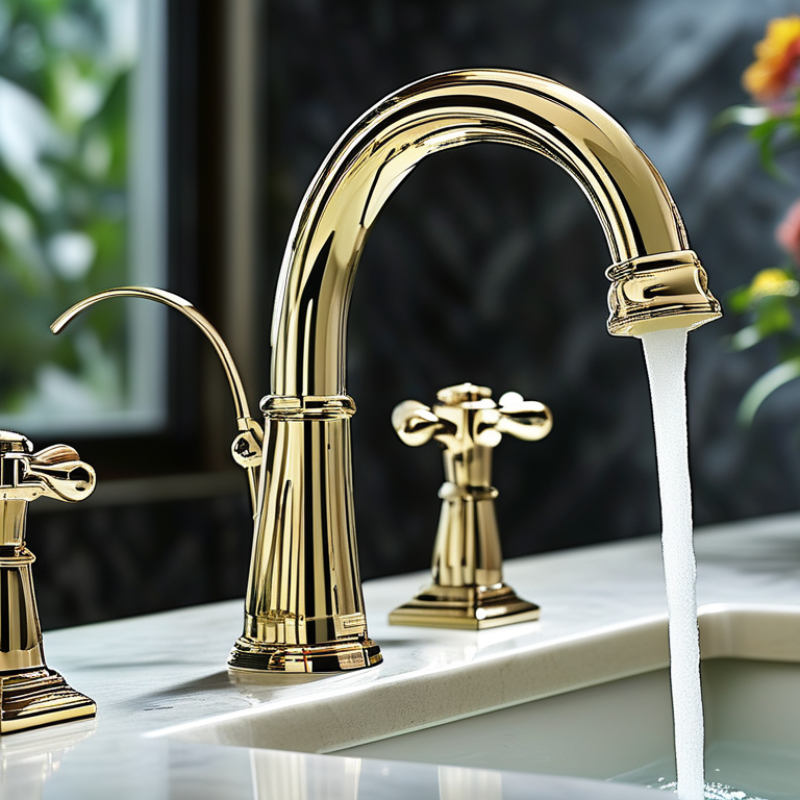
Best Water Faucets for Bathroom Sinks What to Consider?

Types of Bathroom Sink Faucets: A Comprehensive Overview

When choosing a bathroom sink faucet, understanding the different types is crucial. There are various styles, each offering unique features. Single-handle faucets allow effortless control over water temperature and flow. Their minimalist design suits modern aesthetics beautifully. On the other hand, double-handle faucets provide precise temperature adjustments. They often appeal to those who prefer classic designs.

Wall-mounted faucets save counter space and create an open feel. They require specific plumbing, which could complicate installation. Touchless faucets enhance convenience with a simple wave of the hand. However, they may require battery replacements and can be sensitive to water flow variations. When choosing a faucet, consider not just style but also functionality and maintenance.

The finish of the faucet can affect its appearance over time. Polished chrome looks sleek but can show water spots easily. Matte finishes, while trendy, can scratch more readily. Assessing these details ensures you select a faucet that fits your needs. It's essential to weigh the aesthetic appeal against practical use to make an informed choice.

Key Features to Look for in Bathroom Sink Faucets

When selecting bathroom sink faucets, key features matter significantly. Durability is essential. Look for faucets made from robust materials, like brass or stainless steel. They resist corrosion and last longer. A quality finish enhances aesthetics and protects against wear.

Water efficiency is also a crucial element. Models with aerators help save water without sacrificing pressure. This reduces both environmental impact and utility bills. Consider the faucet's style. A high-arc design provides better clearance for washing hands or filling containers. There are various finishes available, including matte black and polished chrome, which can complement your bathroom decor.

Installation type is another detail to ponder. Some faucets are easy to install, while others may require professional help. Research user reviews about installation experiences. Not all faucets fit every sink type, so compatibility is vital. Also, examine the warranty. A good warranty reflects manufacturer confidence in their product. It can provide peace of mind when making a purchase.

Best Water Faucets for Bathroom Sinks: Key Features to Look For

Sizing and Fit: Ensuring Compatibility with Your Sink

When choosing a bathroom faucet, sizing and fit are crucial factors. A faucet that doesn’t align well with your sink can lead to leaks or improper water flow. Always measure the sink’s spread—this is the distance between the faucet holes. Common measurements include centerset, widespread, and single-hole configurations. Make sure to account for the physical space available under the sink as well. This area can be cramped, affecting your choice of faucet height and style.


Compatibility goes beyond just fit. Water supply lines should align correctly with the faucet to ensure a proper connection. Insufficient space can make installation difficult. Consider the material of your sink as well. Different materials can affect the fitting of the faucet. A sturdy sink may require a more robust faucet, while a lightweight model might benefit from lighter fixtures. Attempting to force a faucet into a space can create unforeseen challenges, including damage to your plumbing.


Visual aesthetics matter, but function should come first. A faucet that looks great but doesn't work well will lead to disappointment. Pay attention to spout height and reach. Test it if you can. Look for a comfortable flow that complements your daily tasks, whether washing hands or filling a basin. An ill-fitting faucet can ruin the bathroom’s overall look and functionality. Ensure your selection matches your needs and your sink's design.

Water Efficiency and Sustainability Considerations

Water efficiency is a growing concern for homeowners. The 2020 Water Resources Research report highlights that bathrooms account for nearly 30 percent of indoor water use. This underlines the importance of selecting faucets that minimize waste.

Low-flow faucets can drastically reduce water consumption. According to the U.S. Environmental Protection Agency (EPA), faucet upgrades to low-flow models can save an average of 700 gallons of water annually per household. Installation of these fixtures not only benefits the environment but also reduces utility bills. However, some users might feel a reduction in water pressure with low-flow options. This could deter them from switching to more sustainable alternatives.

Sustainability in faucet design also extends to materials. Faucets made from recycled metals or those that use fewer harmful chemicals in manufacturing are becoming increasingly popular. However, not all consumers are aware of these options. It’s essential to educate oneself on the environmental impact of materials. Some also find it challenging to balance affordability with sustainability. Choosing faucets that blend eco-friendliness with modern designs can be tough but essential for a sustainable future.

Best Water Faucets for Bathroom Sinks - Water Efficiency and Sustainability Considerations

Faucet Type Water Flow Rate (GPM) Material Finish Sustainability Features
Single Handle 1.2 Brass Chrome Low-flow technology
Pull-Down Sprayer 1.5 Stainless Steel Matte Black WaterSense certified
Touchless 1.0 Zinc Alloy Oil Rubbed Bronze Sensor-activated flow
Wall-Mounted 1.2 Copper Brushed Nickel Recyclable materials
Two Handle 1.5 Brass Polished Nickel Eco-friendly packaging

Top Brands and Models in the Market for Bathroom Faucets

When choosing the best bathroom faucets, several factors come into play. The variety of styles, finishes, and technologies all impact your decision. According to a recent report by the Home Improvement Research Institute, about 70% of homeowners consider both functionality and aesthetics equally important in their choices.

Popular faucet brands prioritize user experience. They often create products that are easy to install and maintain. A survey found that nearly 65% of users favor faucets with advanced aeration technology, which saves water without sacrificing pressure. This detail is vital for environmentally conscious buyers. However, one must also reflect on the potential drawbacks, like higher initial costs. These models might deter budget-conscious consumers.

Many consumers overlook the importance of warranties. A faucet with a robust warranty can indicate quality and reliability. Reports suggest that faucets that last at least ten years are linked to better customer satisfaction. This longevity can mitigate future repair headaches, yet some consumers may not prioritize this aspect, leading to premature replacements. Being well-informed can help consumers avoid such pitfalls.

FAQS

: What should I consider when choosing a bathroom sink faucet?

: Consider the type of faucet, style, functionality, and maintenance. Each offers unique features that impact usability.

What is a single-handle faucet?

A single-handle faucet allows easy control of water temperature and flow. Its design is suited for modern aesthetics.

What are the benefits of low-flow faucets?

Low-flow faucets reduce water consumption and can save families up to 700 gallons annually. They may lower utility bills, too.

Why might someone avoid low-flow faucets?

Some users may feel reduced water pressure and find that unappealing. This can deter them from opting for sustainable options.

Is faucet finish important?

Yes, the finish can affect appearance over time. Polished chrome shows spots, while matte finishes might scratch easily.

How does sustainability play a role in faucet selection?

Faucets made from recycled materials are gaining popularity. However, balancing affordability with eco-friendliness can be challenging.

Why should I care about warranty when selecting a faucet?

A robust warranty often indicates quality and reliability. Faucets that last at least ten years are linked to user satisfaction.

Are touchless faucets convenient?

Yes, they allow hands-free operation with a wave. However, they may require battery replacement and can be sensitive to flow issues.

What is a wall-mounted faucet?

A wall-mounted faucet saves counter space and creates an open feel. They need specific plumbing for installation.

Why is consumer education on faucet types essential?

Understanding different types aids informed decisions. Many overlook details like warranties and material sustainability, leading to future regret.

Conclusion

When choosing the best water faucet bathroom sink, it is important to consider various factors to ensure functionality and aesthetics. Different types of bathroom sink faucets are available, including single-handle, double-handle, and pull-down models, each offering unique conveniences. Key features such as style, ease of installation, and user-friendly controls should also be prioritized.

Sizing and compatibility with existing sink setup are crucial, as improper fitting can lead to installation issues. Additionally, focusing on water efficiency promotes sustainability and can result in lower water bills. By understanding these elements and exploring top brands and models available on the market, you can make an informed decision that enhances your bathroom's style and functionality.

Ethan

Ethan

Ethan is a seasoned marketing professional with a deep expertise in our company's innovative product line. With a passion for sharing knowledge and insights, he takes the lead in regularly updating our corporate blog, where he explores industry trends, product features, and effective marketing......